Returning Home
Across Minnesota, reentry depends on the condition of each space and any plumbing work still outstanding. Use this guide to prepare questions before resuming normal use.
Read article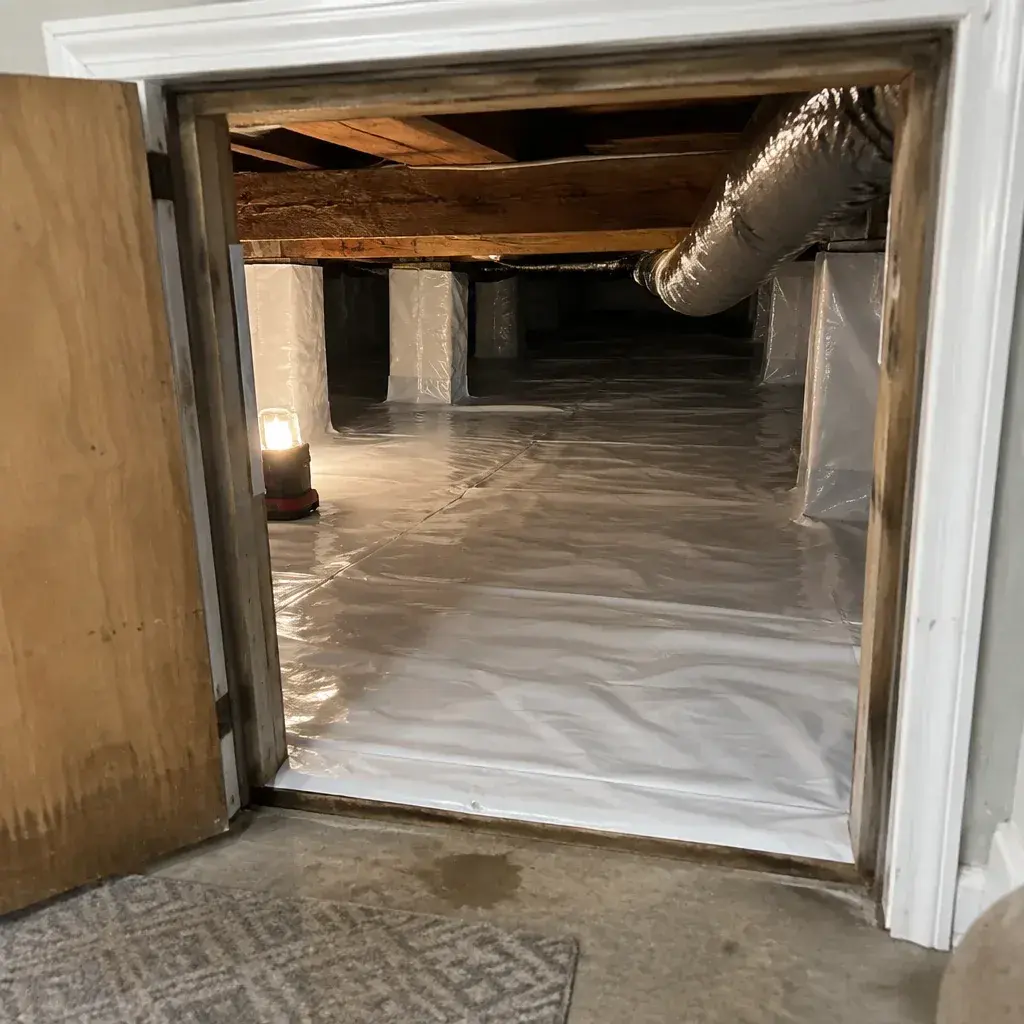
Keep out while sewage is removed, the space cleaned, and materials dried.
Across Minnesota, a crawl-space backup can leave sewage in a low area that is hard to see from the hatch. Heavy rain and rapid snowmelt can add pressure to sewer and stormwater systems, but conditions at a single home depend on its connection and layout. Sewage can also soak into insulation or stored items, affecting more than the visible low area. Keep out and call for cleanup help.
In Minnesota, an estimate starts with what a worker can reach through the hatch: a shallow opening, piers, ducts, and long runs under a split-level can slow handling. The amount of standing water, how far sewage traveled, and whether insulation or framing remains damp also affect labor and drying time. During cold weather, outside air alone may not dry a crawl space reliably, so the plan depends on measured moisture and equipment access. Ask what areas are included and how progress will be checked.
Before work starts, confirm the address has a sewer connection and sewage reached indoors; Crawl Space Sewage Cleanup treats contamination there, while a plumber investigates or repairs its source. Akeley, Adams and Adrian mark coverage examples only.
For cleanup inside your residence, choose Sewer Backup Cleanup; if you handle a tenant space or workplace, choose commercial sewer backup cleanup.
Do not crawl under the house to check a suspected backup. From a safe position, note whether the ground at the access opening looks newly disturbed or carries a track of dirty water; that can prompt a professional assessment without exposing you to sewage. In Minnesota, a crawl space may have little room to turn or carry equipment, so an apparent route into the area does not make it safe to enter. Keep children and pets away while you arrange cleanup.
Sewage in a crawl space is reason to stop at the opening. Low clearance can make it hard to move without contacting contaminated water or debris, and the floor above may hide the affected area from view. Keep people and pets out; do not crawl beneath a ranch or split-level to look for a boundary. The pros we connect you with can assess access and set containment before removal begins. A plumber may be needed if the source requires investigation or repair.
A persistent change in the air inside a home can be a reason to have the crawl space assessed, even when you cannot see liquid from the access point. Sewage residue may remain on surfaces out of view, and damp framing or subfloor can hold moisture after extraction. Sewage can also affect insulation or soil below the floor, even when the visible access area appears clear.
The professional reviews the opening, headroom, and route for equipment, then identifies a safe work boundary before entering the confined area.
Sewage is pumped through hoses to collection equipment; absorbent debris is wrapped before it passes through the hatch to limit contact with household floors.
Insulation and other absorbent debris reached by sewage are removed, since material that holds contamination against framing may not be salvageable.
Once cleaning is complete, drying equipment pulls moisture from affected framing and subfloor; moisture checks guide when the work can end.
In a Minnesota crawl space, low headroom and closely spaced supports can make it hard to see where sewage reached or move equipment without disturbing residue. Contamination may affect soil, insulation, framing, or the underside of the floor, while airflow is limited beneath a ranch or split-level. When contamination reaches insulation, treating only exposed hard surfaces can leave affected material in place. Stay out until it has been assessed.
Flood cleanup needs to address contaminated surfaces as well as water that can be seen. Those broad conditions do not establish what entered a particular crawl space or whether a home has a sewer connection. For Minnesota cleanup, the affected area must be assessed directly; a cleanup professional contains the work zone, removes contaminated water and materials, then cleans and disinfects surfaces before drying.
Cleaning and disinfection decisions depend on the surface, the material, and the kind of contamination found. The pros we connect you with should explain which items can be cleaned, which porous materials may need removal, and how they will keep the affected work area separate from clean areas. Follow the product directions and safety instructions for any household product you handle, and do not mix cleaners. If sewage remains or the affected space is extensive, keep people and pets out while the cleanup scope is assessed.
For a Minnesota budget, Crawl Space Sewage Cleanup ranges are guideposts. Before work begins, the pros we connect you with can clarify whether a property review has a charge and write out the cleanup scope.
| Contamination Extent | Site Controls | Estimate Breakdown |
|---|---|---|
| Localized deposit | Minnesota assessment: document the affected footprint and needed cleanup near Clifton E. French Regional Park | an estimated $3,200–$9,000 |
| One cleanup zone | Carry out only the removal and treatment tasks recorded in the Minnesota assessment | an estimated $3,680–$11,700 |
| Connected zones | Expand the work boundary only for newly confirmed, recorded areas or materials | an estimated $3,200–$9,000 |
| Structure-level work | Cleanup covers assessed sewage contamination inside the structure; sewer repairs sit outside its scope | an estimated $7,680–$36,000 |
For covered residential ZIPs across Minnesota, including areas near Bend in the River Regional Park, drying needs can affect the cleanup scope after extraction and surface treatment. Rebuilding choices are separate. The full pricing guide describes cleanup factors; plumbing work to locate or fix the cause requires a plumber.
Stay outside the crawl space and keep children and pets away. A cleanup professional can inspect from the hatch, plan a safe route for hoses and waste, and decide how to move equipment through the house without tracking residue across finished floors. Do not lift the hatch to investigate or handle wet debris. If sewage is still entering, have the responsible plumbing contact stop the discharge before restoration proceeds.
Insulation and other absorbent debris that sewage reached may need to be taken out; material that holds contamination against framing cannot always be salvaged. A professional can map the affected footprint before removal so sound areas are left alone. Mention stored belongings or barriers visible from the hatch, since these can affect what is reachable and how removed material gets outside.
Sewage can soak into materials below the floor and leave contamination behind. The pros we connect you with can work through a suitable access opening, separate the affected area, and remove sewage with extraction equipment. Drying the affected structure is part of cleanup after sewage and materials that cannot be restored are removed. If the backup source needs attention, contact a plumber. This service is available in covered Minnesota areas.
A sewage smell can linger when residue or damp material remains in the crawl space. Odor treatment follows removal of the material producing the smell and attention to affected areas; masking the odor alone will not resolve its source. If the smell returns after cleanup, report where you notice it so the professional can check for an overlooked damp or contaminated area.
Do not enter a sewage-affected crawl space; keep people and pets out. In Minnesota, the pros we connect you with isolate the access opening and work route to limit debris being carried into living areas. They extract contaminated water, remove absorbent materials that cannot be made sanitary, wash and disinfect remaining surfaces, then dry the affected structure. The licensed pros we connect you with also check floor framing and insulation for contamination beyond visible surfaces.
Cleanup treats contamination and moisture inside the crawl space; it does not change the sewer service or prevent another discharge. If sewage continues to enter, restoration may need to wait until the responsible plumbing contact stops the flow. The licensed pros we connect you with can check whether porous materials need removal before the space is closed again.
For crawl space sewage cleanup, $3,200–$9,000 for this work. The cleanup footprint, sewage-exposed materials, and drying work shape the total; the pros we connect you with can set pricing after examining the damage.
Minnesota cleanup references explain how odor treatment and structural drying address different effects.
Across Minnesota, reentry depends on the condition of each space and any plumbing work still outstanding. Use this guide to prepare questions before resuming normal use.
Read article
Learn how to describe the affected area, what can affect scheduling, and how to stay safe until cleanup begins. Learn what to report, what can shape scheduling, and what to confirm while waiting.
Read article
Contaminated materials can leave residue behind even after visible sewage has been removed. This Minnesota guide explains why a clean room alone may not settle whether you should remain in the house during cleanup.
Read articleAcross Minnesota, service-area questions start with the property address: ZIP coverage does not establish a sewer connection or confirm that a particular address can be served. An address check can clarify service availability, while the assessment determines the cleanup needs. Ask whether they can assess the property, how they will decide what to remove or treat, and what drying involves. Which work is written into the scope, and what would be arranged separately?
Call (612) 493-4857