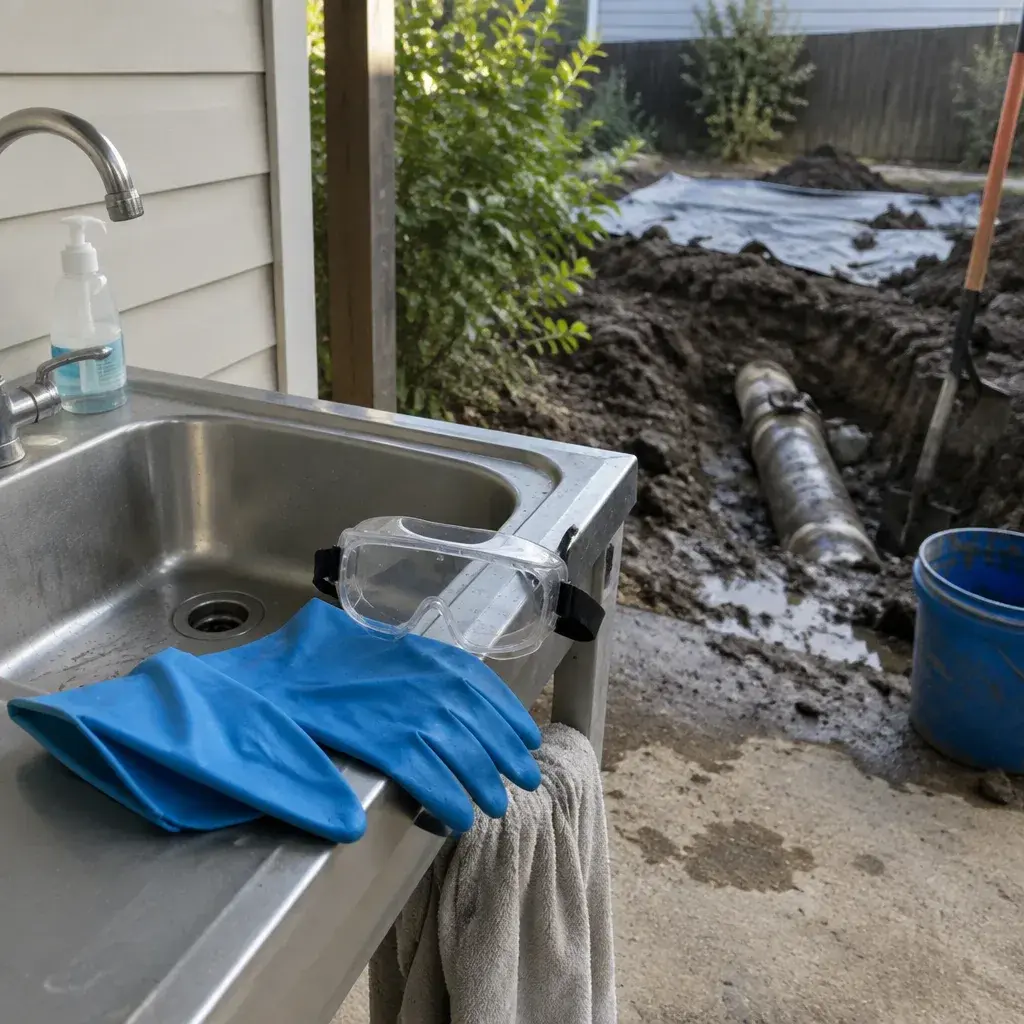
Basement Sewage Cleanup
The pros we connect you with contain sewage, remove affected materials, and dry basement rooms.
View Basement Sewage Cleanup help in Minnesota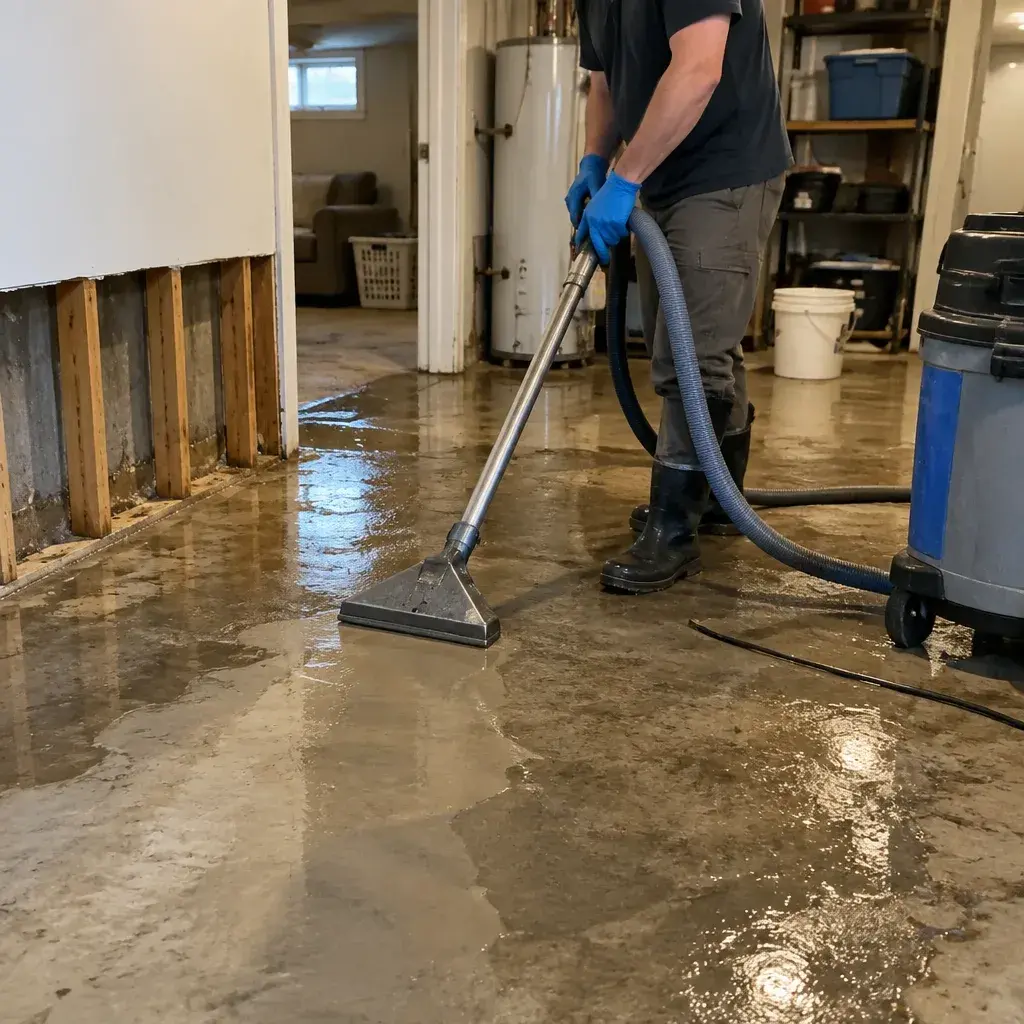
In Minnesota, rain, flooding, or seasonal thaw can contribute to sewer system overload, but water entering from another source may call for a different service. Identify whether sewage reached the building and describe the rooms and materials involved before reviewing the requested work with the pros we connect you with. Buyer-verified residential ZIP coverage includes areas near Beaver Creek Valley State Park, Sunrise Prairie Regional Trail, and Mantorville Historic District; a ZIP alone does not confirm sewer type at your address. A plumber diagnoses and repairs the line.
In Minnesota, the next decision comes from where sewage traveled and what it touched. Water held by carpet or wallboard can leave contamination below the surface, while a hard surface may remain for cleaning and disinfection after assessment. Items that absorbed sewage may need separate review from the surrounding floor or wall. Heavy precipitation and fast snowmelt can strain sewer and stormwater systems statewide, but they do not prove what caused a backup at your address.
Do not enter while sewage remains; wet floors and belongings can carry contamination beyond the first room. Across Minnesota, from areas near Dakota Rail Regional Trailhead to Cuyuna Country State Recreation Area and Nerstrand Big Woods State Park, cleanup begins by separating affected space and extracting sewage. Drying then draws moisture from the structure. This work handles indoor contamination; a plumber traces and repairs the blockage or sewer line.
Homeowners can find household cleanup guidance at Sewer Backup Cleanup; if you manage a shop, office, or rented unit, consult commercial sewer backup cleanup.
Use these service details to prepare questions for the pros we connect you with about cleanup work and related needs.
The pros we connect you with contain sewage, remove affected materials, and dry basement rooms.
View Basement Sewage Cleanup help in Minnesota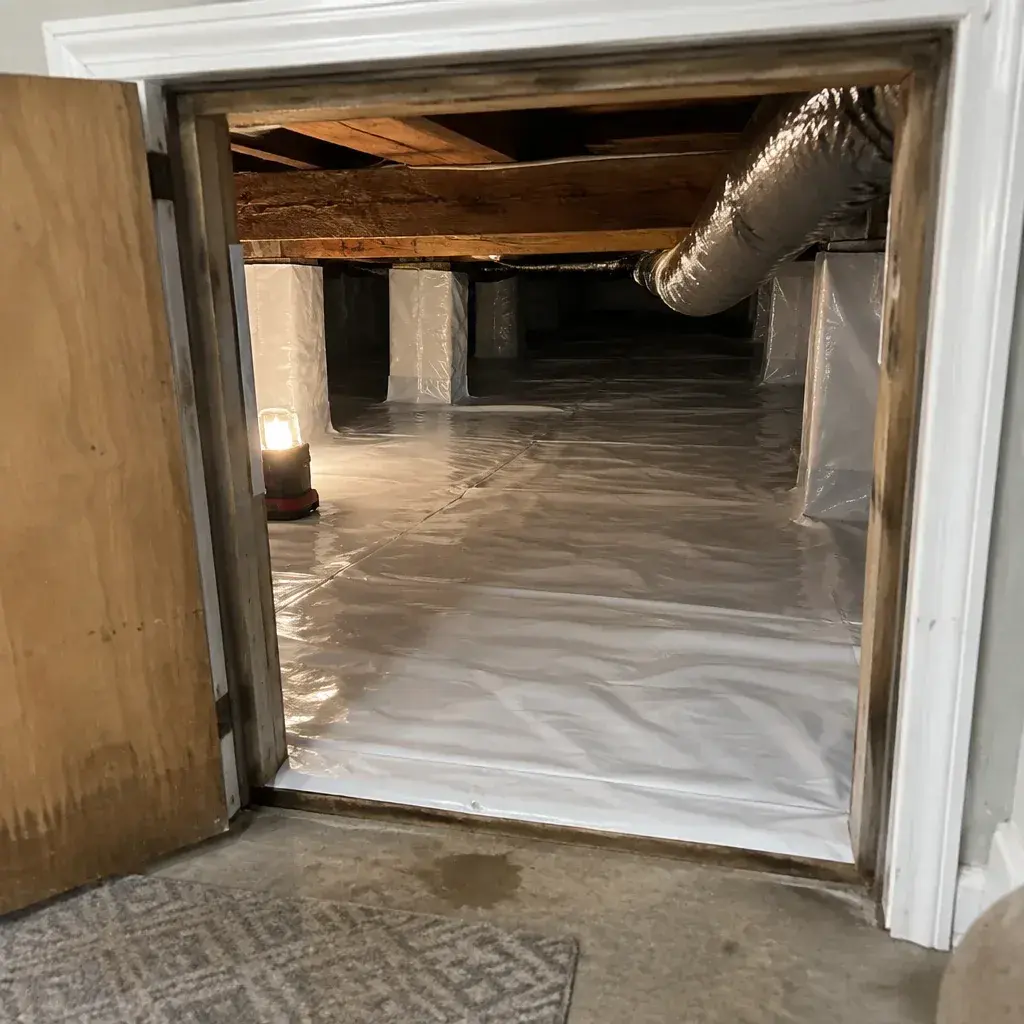
Keep out while sewage is removed, the space cleaned, and materials dried.
View Crawl Space Sewage Cleanup help in Minnesota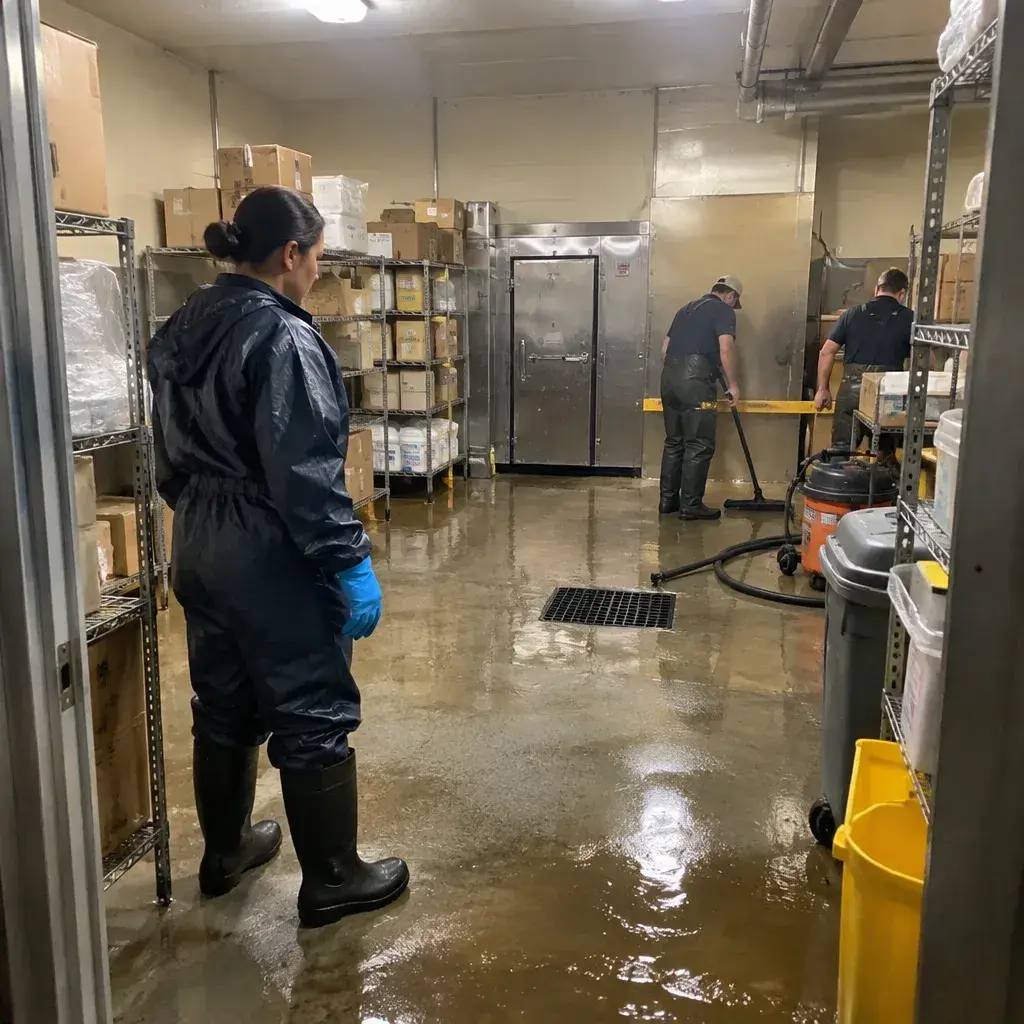
Find cleanup help for contaminated water, damaged materials, and wet structure.
View Toilet Overflow Sewage Cleanup help in Minnesota
Minnesota floor-drain cleanup guidance spans Nerstrand Big Woods, Cuyuna Country State Recreation Area, Maple Grove Government…
View Floor Drain Sewage Cleanup help in MinnesotaThese guides explain cleanup decisions, material concerns, and details to gather before discussing the work.
Learn how area separation, sewage removal, surface cleaning, disinfection, and drying fit into cleanup.
The residential guide covers staying clear, deciding what may need removal, and what to ask before cleanup gets underway.
Have unfamiliar words explained when they appear in the assessment, work list, or instructions for drying the structure.
List the rooms, surfaces, contents, smells, and damp spots touched by sewage so you can discuss next steps.
If sewage has entered living space or reached household materials, cleanup is needed to assess the affected area and handle contamination. A plumber is needed when the cause may be a blocked or damaged line. In Minnesota, the setting can range from a ranch to a split-level or subdivision lot. Soudan Underground Mine State Park, South St. Paul Historical Society, and Beaver Creek Valley State Park are reference points; none identifies a home's sewer setup.
Yes. A backup can affect more than the drain and the surrounding floor. Tell both providers what rooms and materials were affected so they can plan access and the order of work. If wastewater is still entering, the source may need attention before interior restoration can be completed. The affected area may extend beyond the room where the backup began.
The pros we connect you with can assess where sewage traveled, then extract it and manage the affected space. Belongings in the affected space may also need review. Items that can be kept may need separate handling during cleanup. The assessment also identifies which parts of the structure need drying. The work depends on what the sewage reached and the condition of those materials.
Across Minnesota, whether your home is near Dakota County Historical Museum, Beaver Creek Valley State Park, or Sunrise Prairie Regional Trail, keep out of rooms with sewage. Cleanup removes contaminated water and debris, treats affected surfaces, controls odor, and dries damp building parts. A plumber works on the pipe or blockage that released sewage; both services may be needed. The cleanup scope follows the affected rooms and materials, so an inspection guides the work.
Sometimes. Sewage can affect belongings differently from one another. Porous belongings may hold contamination where surface cleaning cannot reach. The pros we connect you with can document affected items; photos and a written list may help when you speak with your insurer, though policy terms govern coverage. Keep a record of belongings that may need attention during cleanup.
Begin by noting whether the backup is active or has stopped. Describe the materials exposed, then ask which items may be taken out, what remaining surfaces will receive cleaning and disinfection, and how drying will be handled. Confirm whether odor treatment is part of the plan, whether an assessment or other work carries a charge, and what the written scope records. Find out who to contact if conditions change before the scheduled work begins. What does the proposed sequence include?
Call (612) 493-4857