Cleanup availability and timing vary — call to confirm. · (612) 493-4857
Multi-Room Sewage Backup Cleanup in Minnesota
Connected-room cleanup

Minnesota Sewage Cleanup Across Connected Rooms

Minnesota's spring snowmelt and periods of intense rain can strain sewer and stormwater systems. Inside, drying time follows moisture in each room's materials and indoor conditions, so the calendar alone cannot show when affected spaces are ready.

CLAIM RECORDS

Keep clear of sewage, then sketch the connected rooms for an assessment. The pros we connect you with can set work boundaries, remove contaminated contents, clean and disinfect affected surfaces, and dry retained materials. In Minnesota, adjoining rooms need assessment even when visible water stops at a doorway.

WATER MOVEMENT

Wastewater Reaching Indoor Surfaces

When residue appears in a Minnesota home, an assessment can show which surfaces need disinfection and which materials need removal.

A sour drain smell reaches the next room

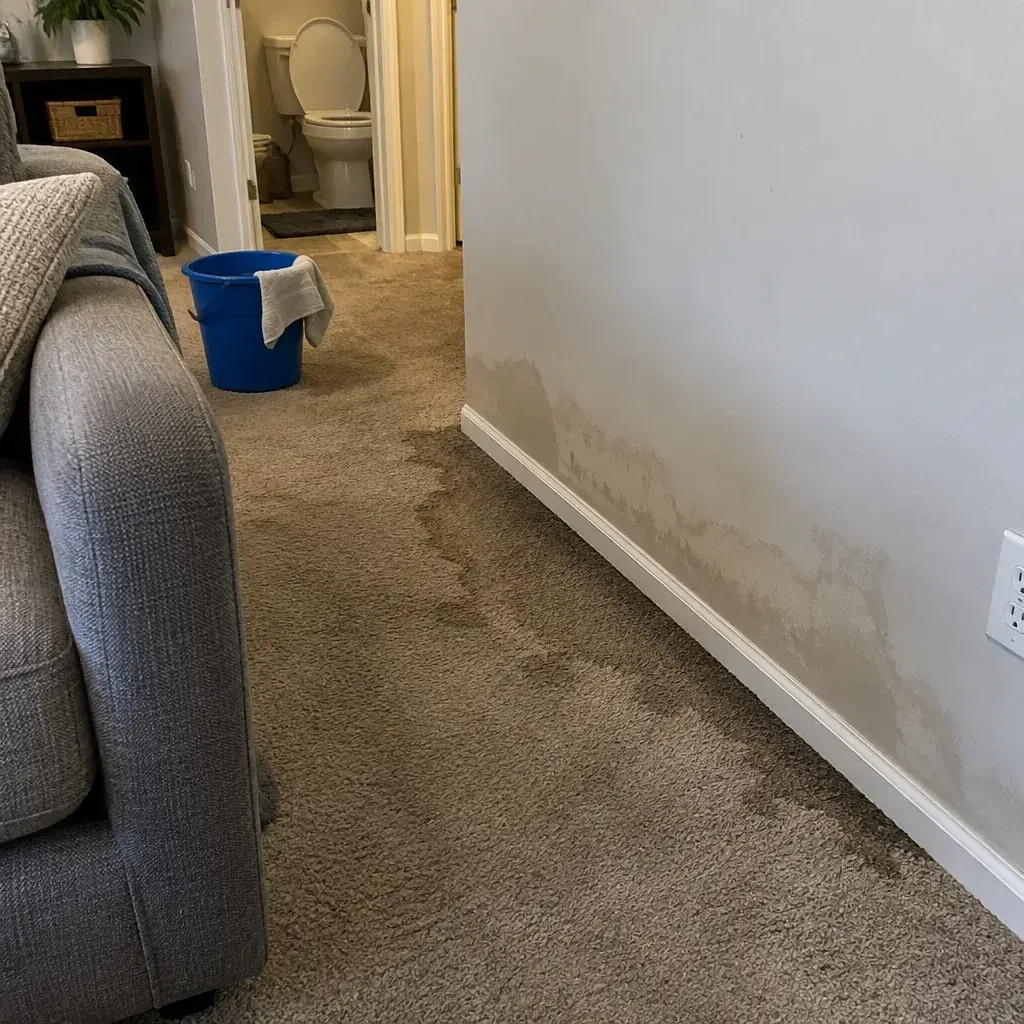
A damp or discolored strip at a doorway can show that moisture reached the room transition. It does not establish what the moisture contained. Note the doorway from a safe, dry position and include both connected rooms when arranging an assessment.

Loose papers curl beside the connecting doorway

Flooring that has started to buckle near a shared wall can indicate moisture in or beneath the finish. Its shape cannot show whether sewage contacted it. Avoid lifting the edge to inspect; tell the assessor which rooms meet at that boundary.

A brown ring forms around a table leg

A sewage odor coming from a room without an obvious wet patch is a reason to mention that space during the review. Smell cannot locate contamination on its own. Keep out and identify the room and where the odor seems strongest.

Dust sticks in a band along the threshold

A trail of tracked residue between rooms may mean shoes or objects moved material from the original area. Wiping or sweeping can spread it further. Leave the route undisturbed and describe where it appears to continue.

The lower wall feels clammy near the doorway

A damp item stored beside the affected space may have taken in contaminated moisture, including from underneath. Do not lift or carry it to check. Mark its location from a safe position so it can be considered in the room assessment.

What a Material Assessment Can Determine

Across Minnesota, intense rain and flooding can strain sewer and stormwater systems, and rapid snowmelt can add to the load. A blockage in a private drain line can also cause sewage to back up during dry weather.

A ranch may have a long route from a utility room into a hall, while a split-level can connect spaces by stairs and landings. That layout affects where access boundaries belong. A backup can also reach lower-level storage areas, where porous belongings may be difficult to clean.

Calls may relate to homes across Minnesota, but statewide wording does not mean every address is covered. Share the location of the affected property so the pros we connect you with can check it against verified residential service areas.

Records for the Insurance Conversation

Room Route
Marking doorways and room connections gives the assessment a route to follow through the home.
Exposure
Access boundaries help keep cleanup movement from carrying residue into unaffected rooms.
Work Order
Padding and upholstery can retain sewage below the surface and may need removal.
Drying
Visible soil should be removed before disinfectant is applied so the product can reach the surface.
Source Check
Indoor contamination cleanup and plumbing work address separate parts of a backup.
Backup Cause
Minnesota's spring snowmelt and periods of intense rain can strain sewer and stormwater systems. Inside, drying time follows moisture in each room's materials and indoor conditions, so the calendar alone cannot show when affected spaces are ready.
SURFACE CLEANING
an estimated $3,500–$6,500

When a Sump Pump Is Involved

Sewer line repair is plumbing work on the pipe or blockage. Multi-room cleanup addresses contaminated indoor materials and surfaces; one does not establish that the other has been completed. In Minnesota, a cleanup work order should name the affected rooms and describe indoor contamination work. A plumbing work order should identify investigation of the drain, pipe, or blockage. Look at the listed tasks: surface treatment and drying belong to cleanup; finding or correcting the source belongs to plumbing.

Keeping Contamination From Spreading

The pros we connect you with review your room sketch and assess connected spaces, transitions, and materials. They establish which areas require controlled access, then identify sewage and contents that need removal. Each room is considered on its own condition before the cleanup sequence is set.

In Minnesota, the pros we connect you with map room connections and inspect adjoining spaces before setting boundaries for work. The licensed pros we connect you with use protective gear while handling contaminated material. Drying equipment addresses moisture in retained building materials; the plumber separately investigates the backup source.

In Minnesota, first confirm the sewage flow has stopped. If the affected area is reachable and surfaces can be cleaned, disinfected, and dried without further work, one visit may finish the cleanup. Widespread contamination or damp building materials can mean a longer plan; line diagnosis and repair are plumbing work.

WHICH DAMAGE TASKS BELONG TO CLEANUP OR LATER REPAIR
Moisture Removal Keep People Clear
One doorway affected; adjoining rooms stayed cleanOdor control
Fresh waste traces after disinfectionMaterial assessment
Debris may reach beyond the first wet areaSewage debris removed; surfaces cleaned, disinfected, dried

Mark the Contaminated Boundary First

From an unaffected location, note when the backup began and when sewage last appeared; record whether heavy rain or rapid snowmelt was happening, without assuming it caused the event. Use memory or a floor plan to mark connected rooms and visible signs. Leave residue and belongings in place for assessment.

Health Risks From Indoor Sewage

Sewage exposure can harm people and pets, so treat affected rooms as unsafe until they have been assessed and cleaned. Do not touch standing water, residue, or belongings in the path of the backup. Arrange cleanup promptly once the active backup has stopped; avoid using smell or appearance alone to decide which rooms are safe.

How Does Access Affect the Estimate?

Ask whether the cleanup includes removing materials that cannot be safely cleaned; leaving contaminated items in place can affect the finished work.Cleanup handles materials and surfaces differently: materials that cannot be cleaned are removed, while the remaining surfaces receive disinfection and drying. Plumbing diagnosis or repair sits outside that cleanup scope. Near Rum River Central Regional Park or Walnut Street Historic District, ask the pros we connect you with to confirm any visit fee and the exact tasks directly.Find cleanup brackets in pricing guide and see how contamination extent and affected materials influence the work.
POLICY TERMS

Policy Details After a Sewer Backup

Common Questions

Reader Questions

How do cleanup pros handle connected rooms after sewage backs up?

Begin with a sketch of the affected room, its doorways, and the adjoining spaces. Once it is safe to arrange an assessment, the pros we connect you with can check each connected room for sewage contact and set work boundaries. They can also note damage to belongings and identify items that may need separate attention before cleanup begins. The order of work helps keep movement from carrying residue into rooms that have not been affected.

Why should we avoid walking through rooms beside the backup?

Sewage can leave harmful contaminants on floors, belongings, and other contacted materials, even when the liquid is no longer visible. Avoid walking through connected rooms or handling items there while the extent of contact is unknown. Arrange an assessment promptly after the active backup has stopped. The pros we connect you with can review which spaces need cleanup and help limit household exposure while work is underway.

Can carpet or furniture remain after sewage reaches another room?

Stay out of rooms touched by sewage, and keep children and pets away. In Minnesota, the pros we connect you with can assess connected rooms in sequence, noting affected surfaces and materials before work starts. Sketch the rooms and their connections so the assessment can follow the likely work path. Crews can isolate the work area, remove materials that cannot be cleaned, then extract sewage, disinfect suitable surfaces, and dry damp structure. This applies across Minnesota, including areas near Dakota County Technical College, Sunrise Prairie Regional Trail, and Greater Sucker Creek Preserve.

What needs to happen before affected rooms are ready to use?

Rooms are ready only after contaminated material has been addressed, suitable surfaces have been cleaned and disinfected, and damp building materials have dried. Drying needs can differ between a hard floor, a wall base, and absorbent materials. Ask for a room-by-room account of completed work and any remaining drying needs before using those spaces again. Keep people and pets out of the work area while cleanup and drying are still underway.

Get Cleanup Help

Dealing with Multi-Room sewage backup cleanup right now?

Stay out of the room and call the pros we connect you with. In Minnesota, ask whether the assessment costs extra before booking, then request its findings and a written cleanup proposal. It should explain which materials need attention and how the structure will be dried; sewer-line repair is plumbing work.

Call (612) 493-4857
Check open appointments, arrival estimates, visit fees, and the written work plan.
Call (612) 493-4857 Schedule Online