Cleanup Problems
What Happens After a Sewer Backup in Minnesota
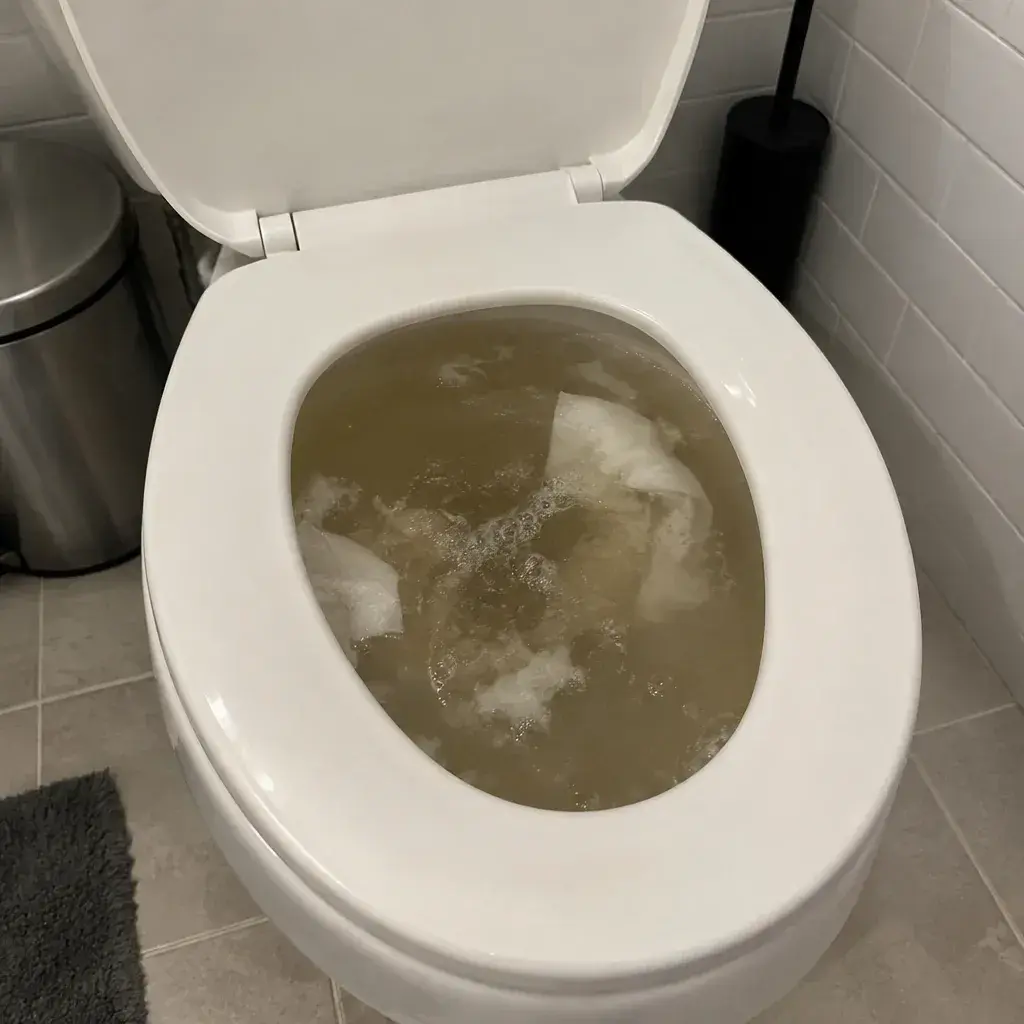
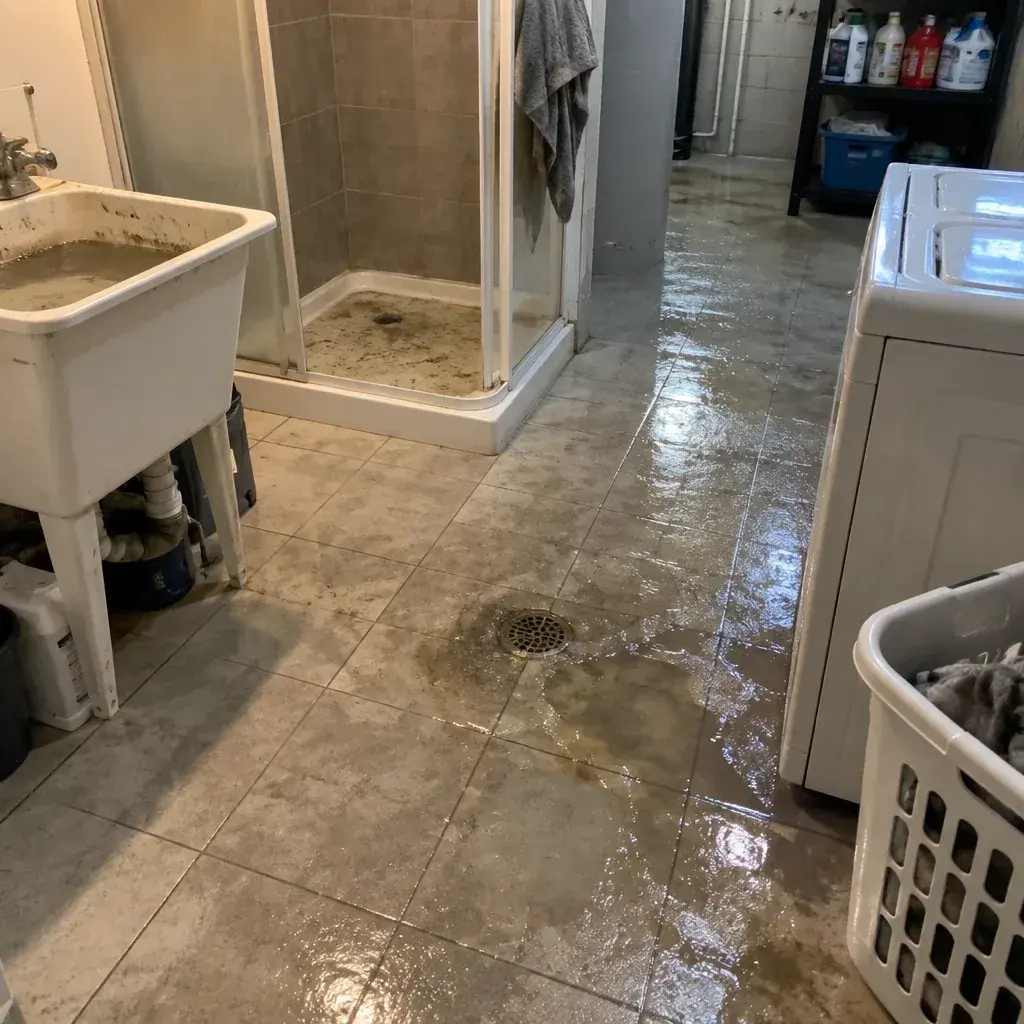
Do not enter sewage or touch soaked belongings; keep children and pets away until the area is assessed and cleaned. In Minnesota, a backup may show as wastewater on a floor, ruined absorbent materials, stubborn odor, or damp areas beyond the visible spill. Wastewater can leave contaminated surfaces wherever it has spread. The pros we connect you with can address those conditions.
TRADE DIVISION
Review the cleanup concerns that may arise when sewage enters a building in Minnesota. Pages describe the materials at risk, possible removal, surface treatment, and structural drying. For estimated cleanup costs, see the pricing guide.
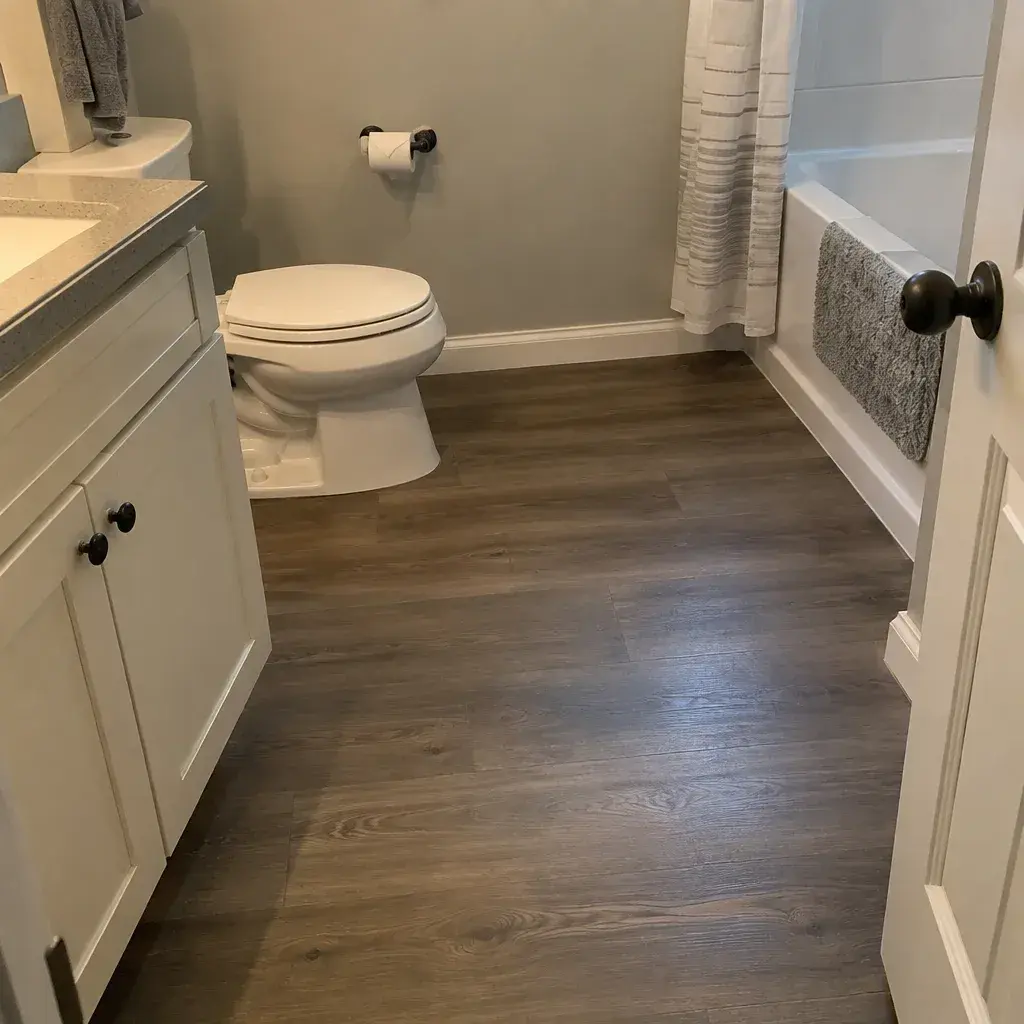
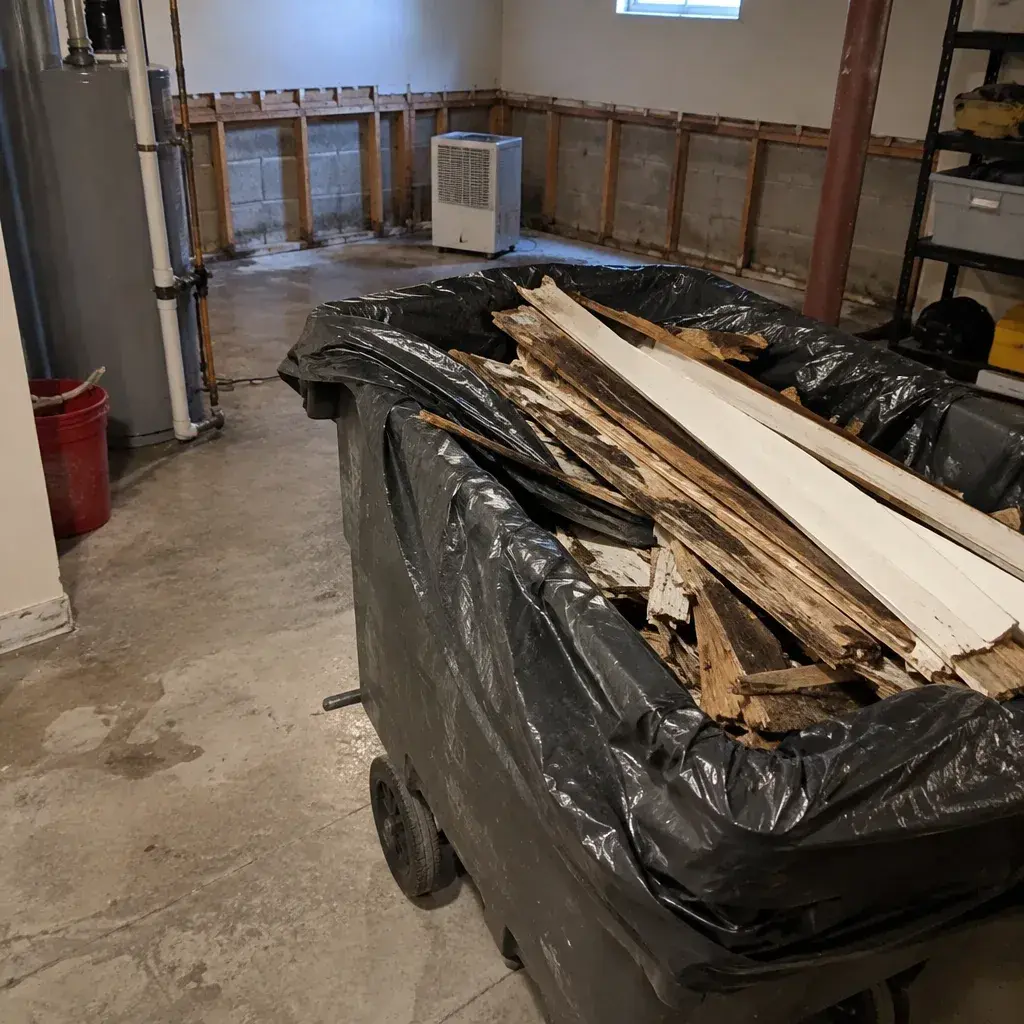
Once the affected area is contained, sewage is extracted and materials are sorted by exposure. Porous items that absorbed wastewater may have to go, while suitable surfaces are cleaned and disinfected. Drying then reaches building materials that still hold moisture, helping reduce what remains behind floors or walls. In Minnesota, this work addresses indoor contamination and its effects. A plumber investigates why the backup occurred and repairs the sewer line; the pros we connect you with handle the damage inside.
Backup Situations
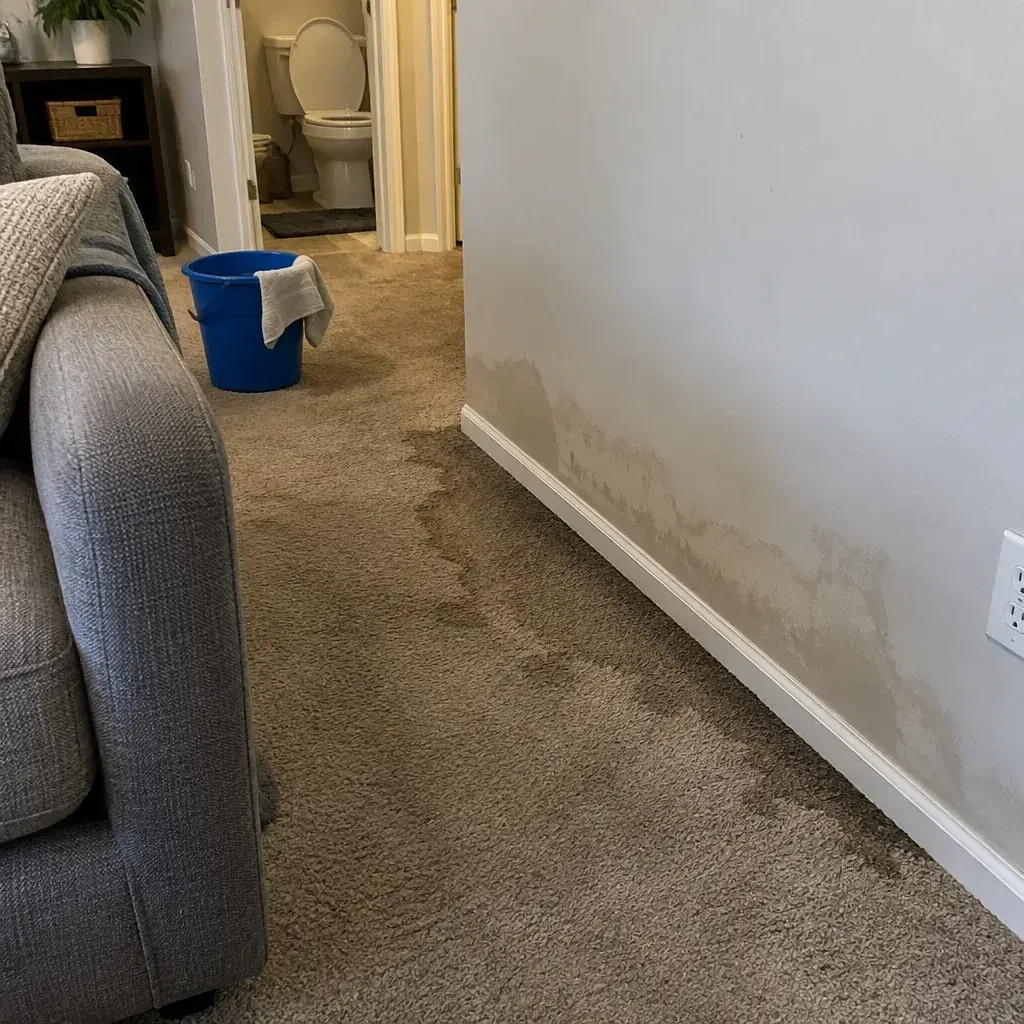
Contamination Spread
Common Questions
Reader Questions
I found sewage indoors; which cleanup topic should I open first?
In Minnesota, start with the Sewer Backup Cleanup topic when sewage has entered the building. This index helps you match what you found to a damage or warning-sign page. Whether you are reading from the McColl Pond Environmental Learning Center area or elsewhere in the state, begin with the indoor contamination question. If the suspected source is an onsite septic system, look for information about that system instead of assuming a municipal sewer backup.
What indoor signs mean I should read about sewer backup cleanup?
In Minnesota, cleanup information is relevant when wastewater has come up through a drain or toilet, or when you find sewage residue, damp or discolored flooring, affected lower walls, or a persistent odor indoors. Those signs can help you choose a page about contamination or material damage. A reader near Soudan Underground Mine State Park uses the same signs to navigate this index as someone in another part of the state.
When should I contact a plumber about a sewer backup?
Across Minnesota, from Beaver Creek Valley State Park to Sunrise Prairie Regional Trail and Nerstrand Big Woods State Park, signs inside a house depend on where wastewater surfaced. You may notice floor-level staining, damp lower walls, damaged stored belongings, or an odor after visible water is gone. Heavy precipitation, rapid snowmelt, and sewer overload can contribute to backups, but a ZIP code cannot identify which cause applies to your home.
Get Cleanup Help
See How Sewage Reaches Building Materials
A sewage smell, wet floor, or visible residue in a Minnesota home calls for identifying the affected space, not guessing from the sign alone. Avoid the area and keep pets and other household members out. Tell the pros we connect you with what you noticed and which nearby materials may have been exposed. An assessment can guide decisions about removal, surface treatment, and drying. Ask what the provider will record, whether the visit has a charge, and which tasks belong in the written scope. Could the source need a plumber?
Call (612) 493-4857