Call From a Safe Place
1. Sewage may have spread beyond the spot where it first appeared. Keep people and pets out, and do not step into or handle contaminated water. In Minnesota, there is no verified response interval that applies to every address, so contact an independent cleanup provider as soon as you can and ask for its current availability. The pros we connect you with can give a useful next step after hearing what is happening; do not rely on a general promise of arrival time.
2. If you can tell from a safe spot, describe whether the water looks clear or contains waste. Name the affected level or rooms only if you know from a safe place. Do not walk through a ranch, split-level, or basement to check how far it spread. In Minnesota, a clear account helps the provider decide what questions to ask and whether the situation needs an updated schedule.
Ask What Shapes Timing
3. Ask what is shaping the estimate today. Whether you are near Dakota Rail Regional Trailhead, Crow River Environmental Park, or Cuyuna Country State Recreation Area, those landmarks do not establish your address's sewer service or a company's availability. Give the exact address and ask whether current calls, travel, access, or the reported spread may change the timing. Minnesota-wide conditions do not make every property or dispatch schedule the same.
4. Ask what the quoted arrival means: an initial assessment, or a visit equipped to begin sewage extraction. They are different steps. In Minnesota, the first visit may need to establish which materials are affected and how the area should be contained before removal and disinfection begin. Ask the provider to state what it expects to do on arrival and what information could change that plan.
Stay Clear While Waiting
5. If you can, note which belongings were exposed without entering the affected rooms. Do not try to mop, carry items through the house, or start cleaning; that can move sewage into areas that were clean. In Minnesota, an emergency sewage cleanup visit still begins with controlling exposure and understanding the affected space. Tell the pros we connect you with if anyone may have touched contaminated water.
6. From a clean location, write down when the backup began and any changes you can see without approaching it. If a photo can be taken safely, it may help show the visible condition when you called. Tell the provider if sewage appears at another fixture or continues to enter. For Minnesota properties, the source and connection type should be confirmed at the address; a ZIP code alone does not show whether the home uses sewer or septic.
Clarify What Arrival Means
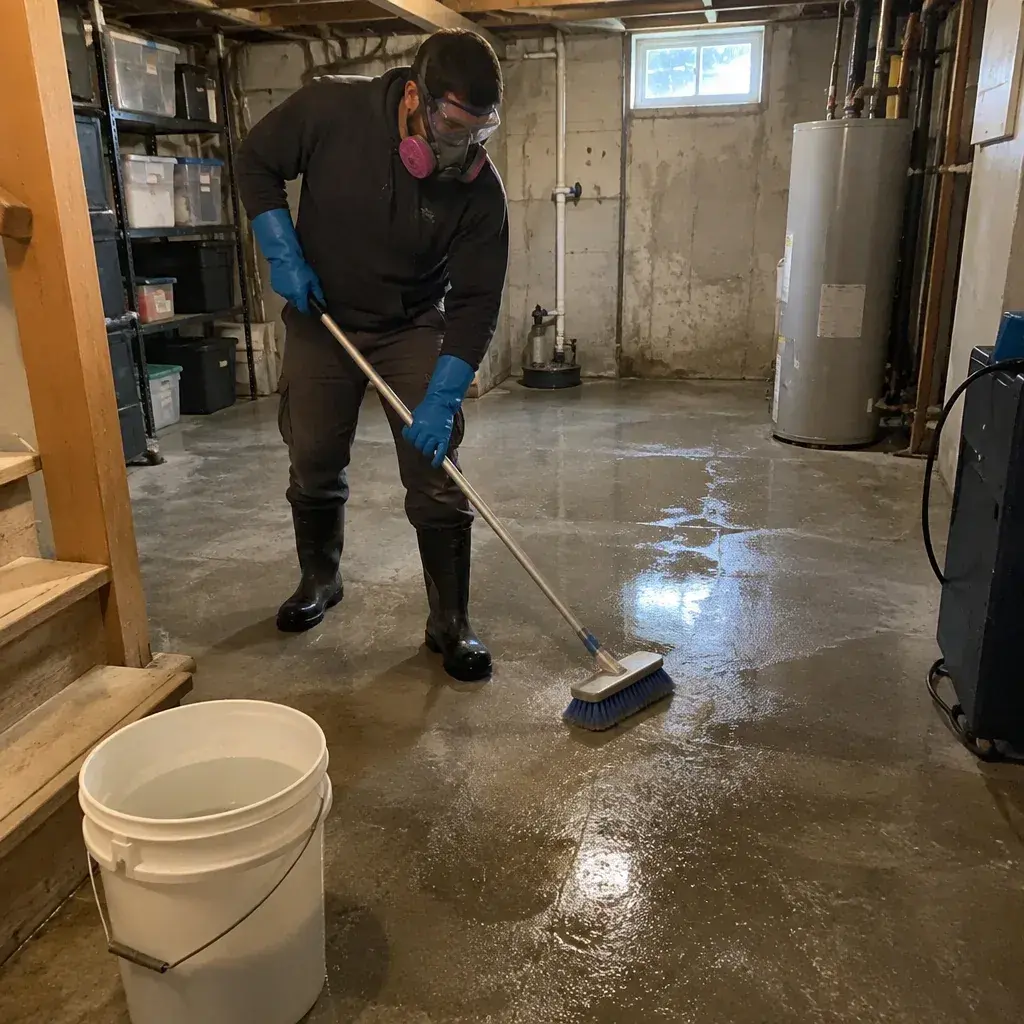
7. When the pros we connect you with arrive, ask what they will assess first and whether the visit can move directly into containment and extraction. Sewage cleanup response includes more than reaching the property: affected materials may need removal, surfaces need cleaning and disinfection, and damp structure needs drying. Ask how they will keep sewage from spreading into unaffected rooms during the work.
8. Before ending the call, agree on the next contact: who will update you, how you will receive that update, and what to do if the expected timing changes. Ask whether you should report any change in the backup before the visit. Minnesota residents should also contact their insurer to check their own policy if coverage is a concern; sewer backup terms vary. Keep the area clear while you wait for the provider's instructions.
Dealing with a sewer backup in your home?
The plumbing cause and the cleanup work are separate parts of the response. Whether you live in a ranch near Clifton E. French Regional Park, a split-level near Beaver Creek Valley State Park, or a subdivision home near Sunrise Prairie Regional Trail, the cleanup question is what the sewage reached. Porous flooring or wall materials may need removal before other surfaces are cleaned, disinfected, and dried. From a safe place, take photos if you can. Assess without entering, then ask a qualified provider among the pros we connect you with about cleanup scope, availability, timing, and any visit charge. Have a plumber diagnose and repair the backup source.