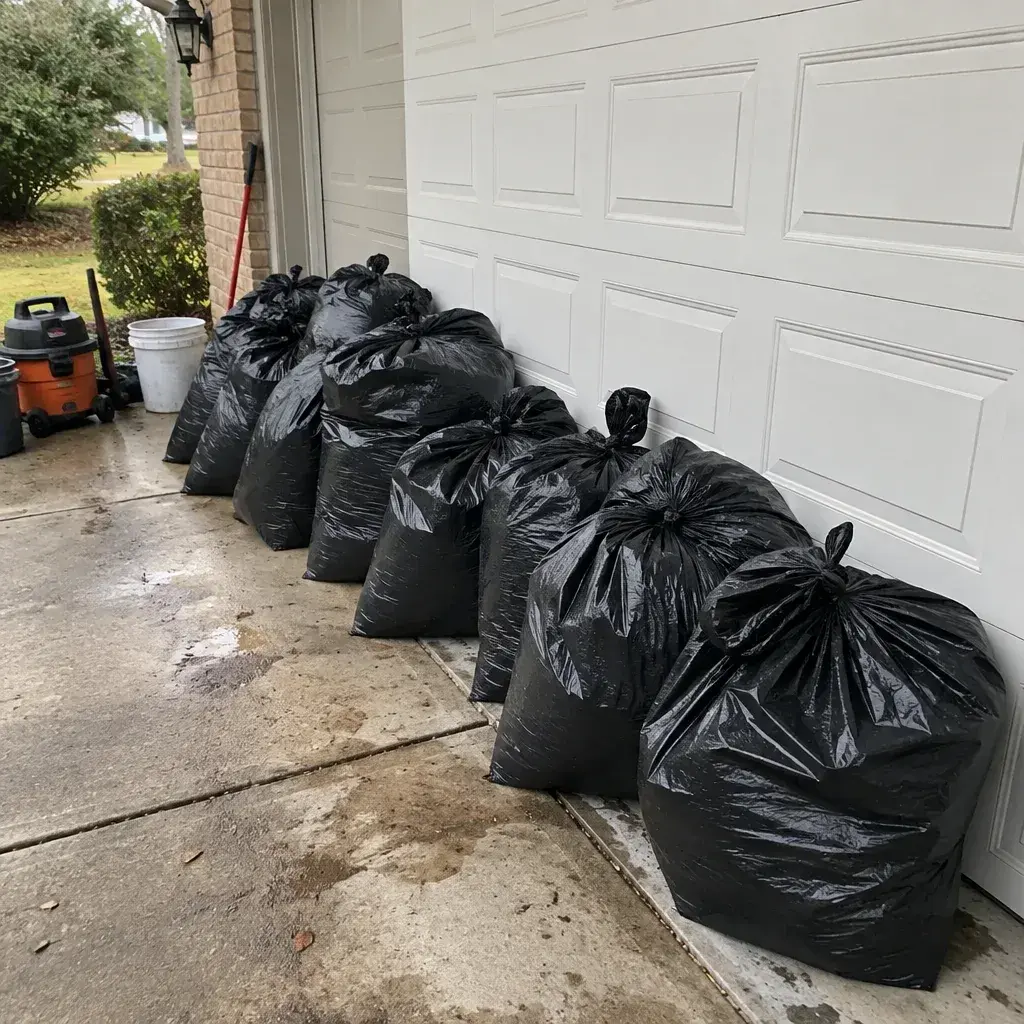
Response Time
Learn how to describe the affected area, what can affect scheduling, and how to stay safe until cleanup begins. Learn what to report, what can shape scheduling, and what to confirm while waiting.
Read article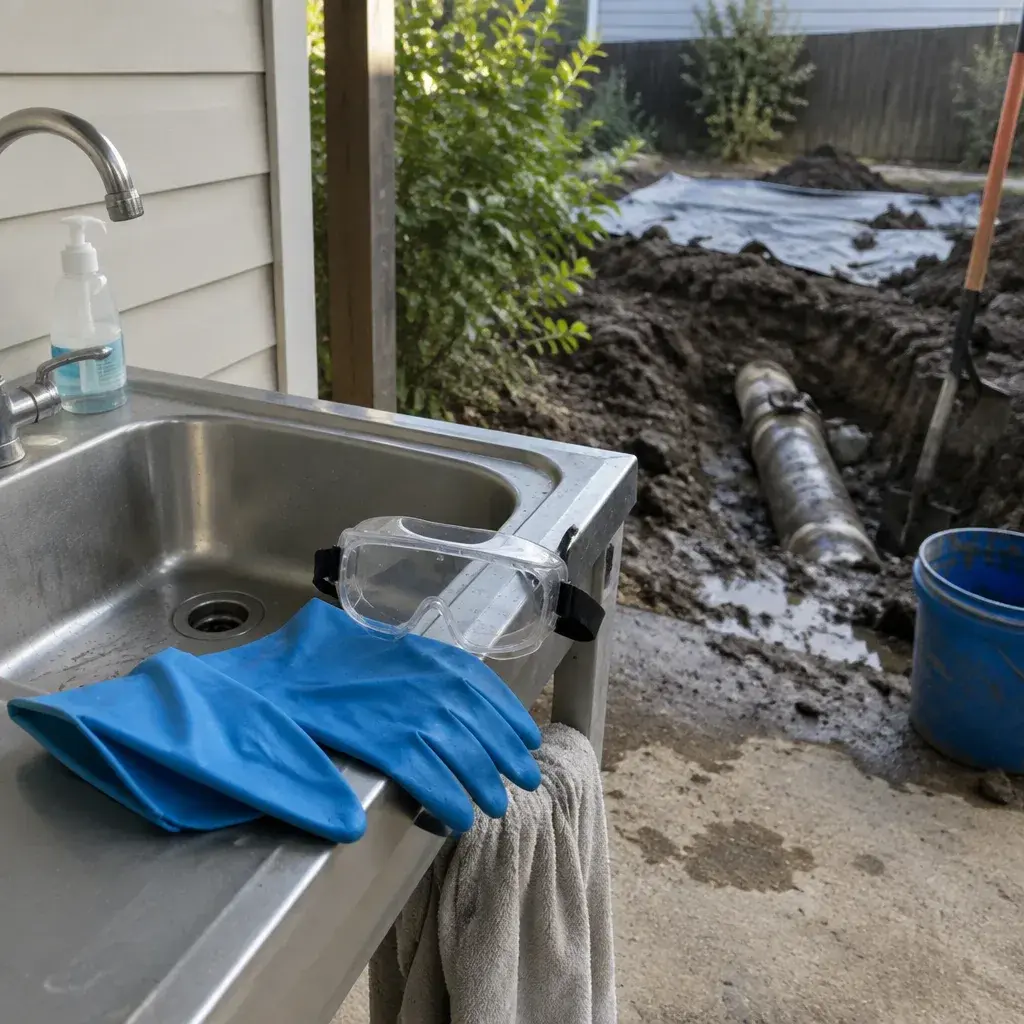
The pros we connect you with contain sewage, remove affected materials, and dry basement rooms.
After heavy rain or a fast thaw in Minnesota, wastewater may push up through a basement floor drain or leave a dirty tide mark on the wall. The conditions are statewide: homes near the Minnesota Agricultural Research Station, Cuyuna Country State Recreation Area, and Bertram Chain of Lakes Regional Park can all face wet-weather cleanup needs. Keep people and pets out of the affected room. The visible pool may be only one part of the area that needs attention.
Across Minnesota, a basement backup may leave water around floor-level fixtures, stored items, or finished surfaces, while winter cold and spring thaw change the conditions outside the building. The street address and the point where sewage appeared help the pros we connect you with plan an assessment. They can check how far contamination reached, which materials can be treated, and where moisture may remain. Access, the amount of material involved, and drying conditions affect the work plan; the property itself determines the sequence.
Across Minnesota, ranch and split-level layouts can leave sewage affecting different rooms or materials. Basement Sewage Cleanup scopes removal, disinfection, and drying to the contamination found; Adams, Adrian and Afton indicate coverage, not uniform homes.
If sewage affects your home, start with Sewer Backup Cleanup; for rental properties or business premises you oversee, use commercial sewer backup cleanup.
A drain may leave a narrow dirty track as wastewater recedes, especially where the floor slopes toward a low point. In Minnesota, rain-related backups can leave grit or a distinct water line beyond the pooled area, so note the full path without entering it. The pros we connect you with can use those signs to plan where containment begins and which surfaces need attention. Keep pets and household members away while the basement is assessed.
A basement can look dry while lower wall finishes or flooring remain affected. In Minnesota homes, inspect visually from a safe spot for lifted flooring, swollen trim, or a soft patch at the bottom of a finished wall; those changes can indicate sewage reached concealed layers. Do not pull materials apart yourself. A cleanup professional can explain how the affected construction will be handled and what needs to be accessible for the work.
Stored belongings can show where sewage reached even when the open floor appears mostly clear. In a Minnesota basement, check from outside the affected area for damp cardboard, stained fabric, or residue on the feet of shelving. These items may need separate handling from the room’s hard surfaces. Keep a record of damaged belongings for your own use, and let a cleanup professional assess them before moving anything through the home.
The pros we connect you with check the basement finishes and contents to set the cleanup scope and identify areas that need removal, surface treatment, or drying.
They isolate the affected room and extract sewage, reducing the chance that water or debris will reach clean areas on the way out.
A barrier at the basement entrance separates the work zone from clean rooms, helping keep contaminated water and debris from traveling upstairs during extraction.
Odor treatment follows when needed, then drying targets damp building materials; checks help show when moisture has been reduced.
In Minnesota basements, finished walls, flooring, and built-in storage can hide damp or contaminated areas after the visible water is gone. Residue at a floor edge may reach beneath trim or into a wall cavity, where it can affect materials the surface cleaning never touches. A careful cleanup accounts for those concealed spaces, then dries the parts of the structure that became wet. That helps prevent lingering moisture from being left behind.
Minnesota Department of Health cleanup guidance addresses buildings affected by sewage or flooding. For a basement cleanup, the practical question is how to keep the work area controlled while contaminated water and debris are handled. The pros we connect you with can explain the sequence for the property and the precautions needed around the affected room. Keep salvageable belongings apart from debris so they can be assessed separately.
Minnesota ZIP coverage does not establish whether an individual home uses a municipal sewer or an onsite system. Confirm the property’s setup and the source of the backup before treating it as a sewer-line problem. Document visible damage before cleanup begins so affected materials are easier to describe later. Minnesota Commerce also advises checking directly with your insurer because sewer-backup coverage depends on policy terms.
For a Minnesota budget, Basement Sewage Cleanup ranges are guideposts. Before work begins, the pros we connect you with can clarify whether a property review has a charge and write out the cleanup scope.
| Affected Surfaces | Sanitation Work | Labor Needs |
|---|---|---|
| Localized deposit | For Minnesota properties near Dakota County Technical College, record conditions and cleanup needs | an estimated $7,000–$14,000 |
| One cleanup zone | Assessment maps the affected footprint and sets cleanup boundaries | an estimated $8,050–$18,200 |
| Connected zones | Add a room or material only after the assessment identifies and records its impact | an estimated $7,000–$14,000 |
| Structure-level work | The assessment sets which affected surfaces need treatment and materials need attention | an estimated $16,800–$56,000 |
For covered residential ZIPs across Minnesota, including areas near Bend in the River Regional Park, drying needs can affect the cleanup scope after extraction and surface treatment. Rebuilding choices are separate. The full pricing guide describes cleanup factors; plumbing work to locate or fix the cause requires a plumber.
The work starts with keeping the affected area separate from clean parts of the home. A cleanup professional assesses the basement, removes contaminated water, and determines how to handle affected belongings and finishes. The condition of walls and flooring helps determine whether those materials can remain after cleanup. If the backup source still needs attention, contact a plumber; cleanup does not resolve the plumbing problem.
Items that absorb sewage may be unsafe to keep if contamination has reached into them. Carpet padding, paper goods, and soft furnishings are examples to have assessed, while some nonporous surfaces may be suitable for cleaning. The cleanup professional can explain how each affected item will be handled based on its condition and exposure. Avoid carrying wet belongings through the house before that assessment.
Avoid touching sewage or contaminated debris with bare hands. Do not begin sorting belongings or cleaning surfaces while sewage remains. Contact a cleanup professional to assess the work area, and contact a plumber if the plumbing source needs diagnosis or repair. Those steps help direct each part of the problem to the right kind of work.
Disinfection comes after sewage and loose residue have been removed from affected surfaces. The product must suit the surface being treated, and the person applying it must follow its directions for use and safety. A cleanup professional can identify which surfaces need this treatment and manage it as part of the basement work. Keep cleaning tools separate from items used on clean surfaces to limit transfer of residue.
Treating the odor means dealing with what is causing it, including sewage residue and affected contents. Once those sources are removed and surfaces are cleaned, a cleanup professional can decide whether odor treatment is needed. Drying addresses moisture left in building materials after cleaning. The approach depends on the areas affected, including any concealed parts of the basement that require attention.
Basement cleanup removes contamination and addresses damage inside the home. Contaminated water can affect stored items beyond the immediate drain area. If the source needs investigation or repair, contact a plumber. In Minnesota, the property’s sewer or onsite system also needs to be confirmed rather than assumed from its ZIP code.
$7,000–$14,000 for this work is the estimate for basement sewage cleanup. A larger cleanup zone, more contaminated material, or greater drying needs can change the cost; the pros we connect you with can confirm pricing after an assessment.
Minnesota reading explains how sewage exposure can change cleanup decisions and affect drying indoors.
Learn how to describe the affected area, what can affect scheduling, and how to stay safe until cleanup begins. Learn what to report, what can shape scheduling, and what to confirm while waiting.
Read article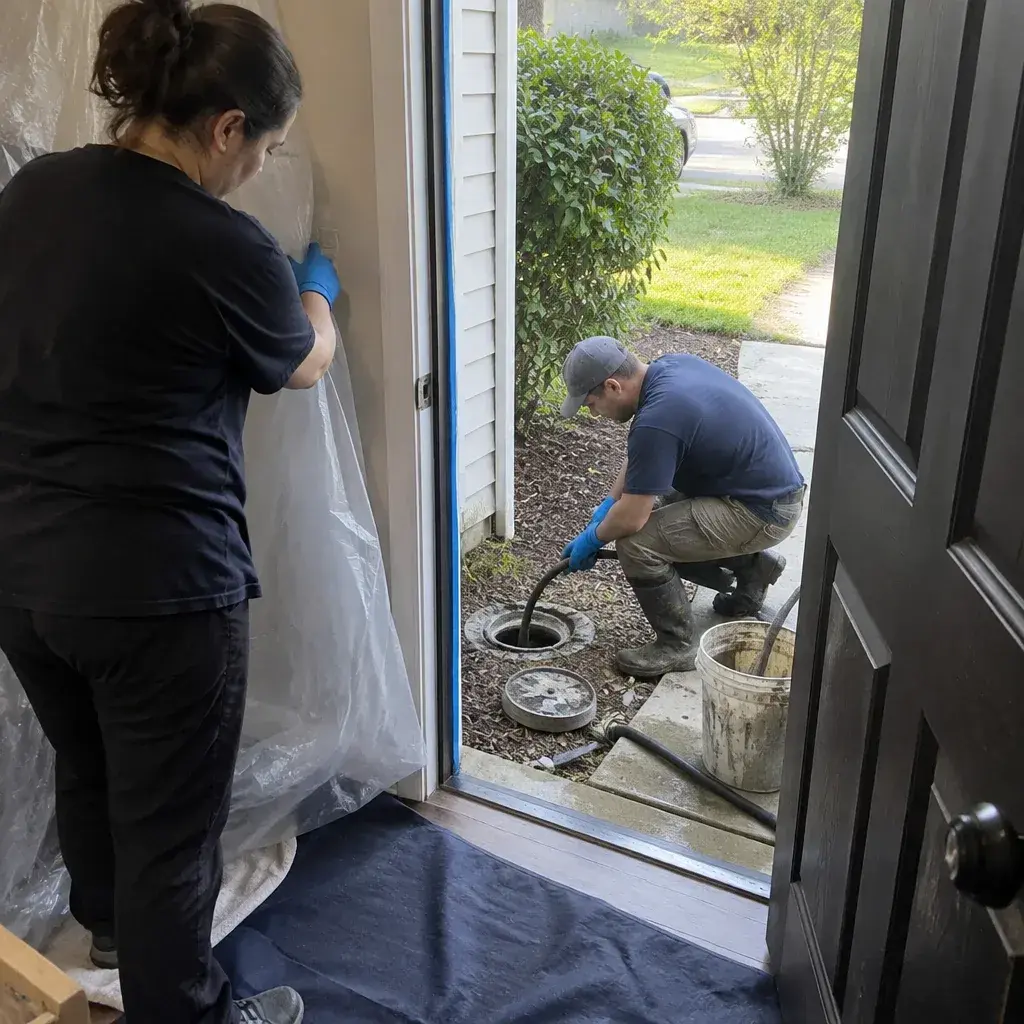
Contaminated materials can leave residue behind even after visible sewage has been removed. This Minnesota guide explains why a clean room alone may not settle whether you should remain in the house during cleanup.
Read article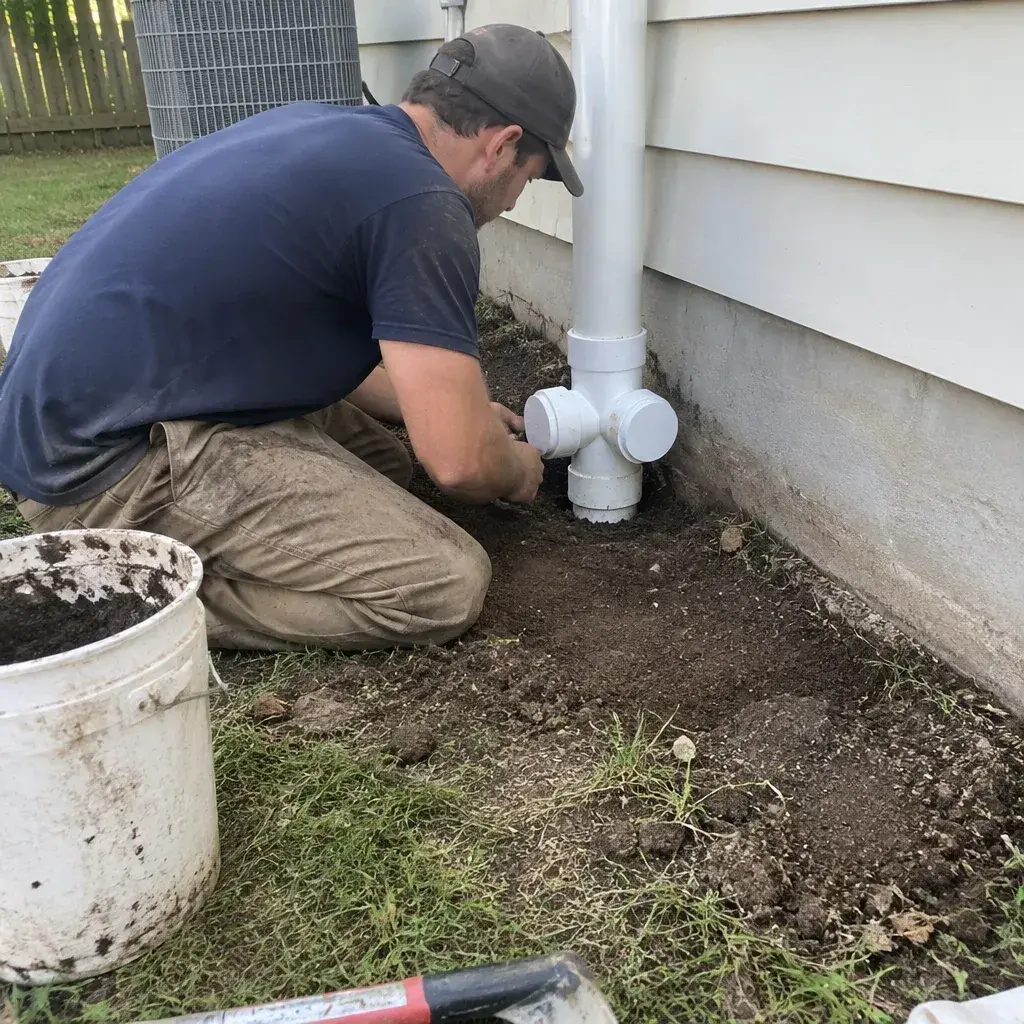
Across Minnesota, reentry depends on the condition of each space and any plumbing work still outstanding. Use this guide to prepare questions before resuming normal use.
Read articleAcross Minnesota, service-area questions start with the property address: ZIP coverage does not establish a sewer connection or confirm that a particular address can be served. An address check can clarify service availability, while the assessment determines the cleanup needs. Ask whether they can assess the property, how they will decide what to remove or treat, and what drying involves. Which work is written into the scope, and what would be arranged separately?
Call (612) 493-4857