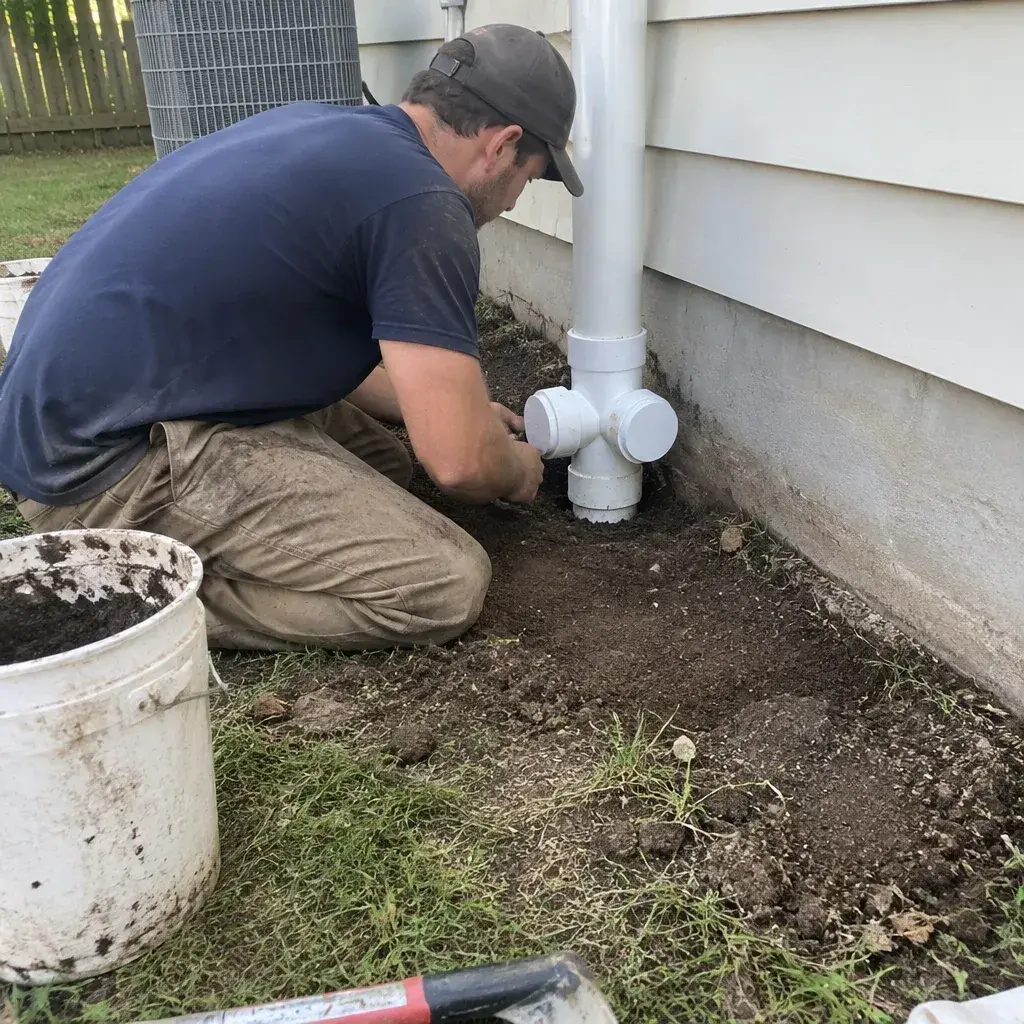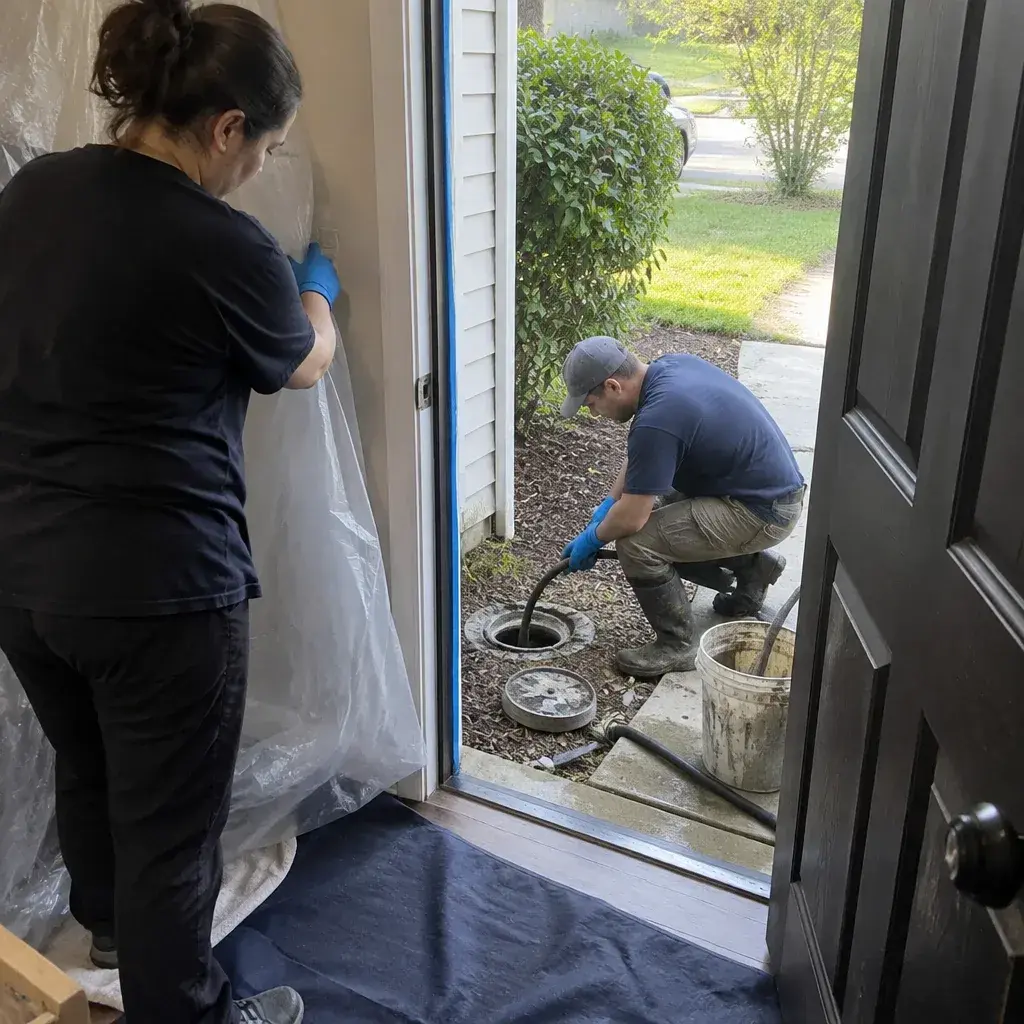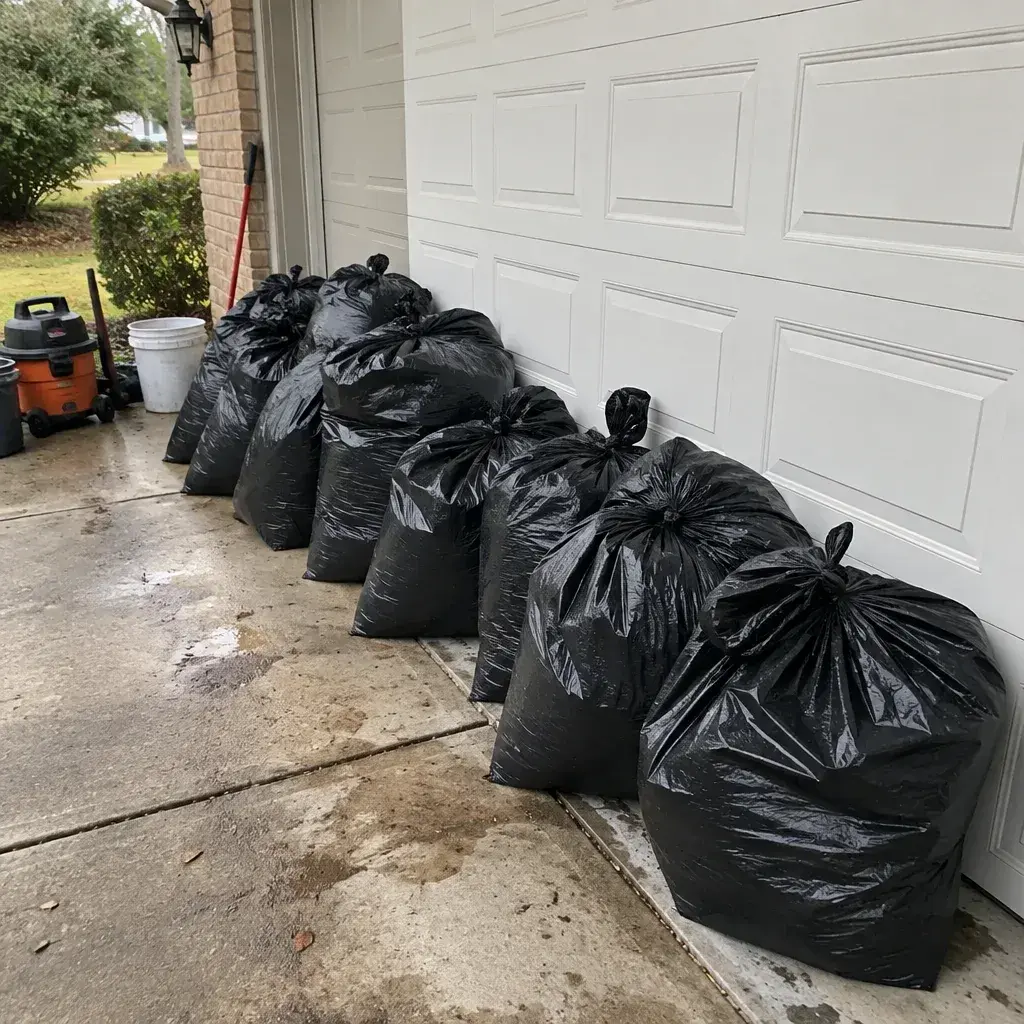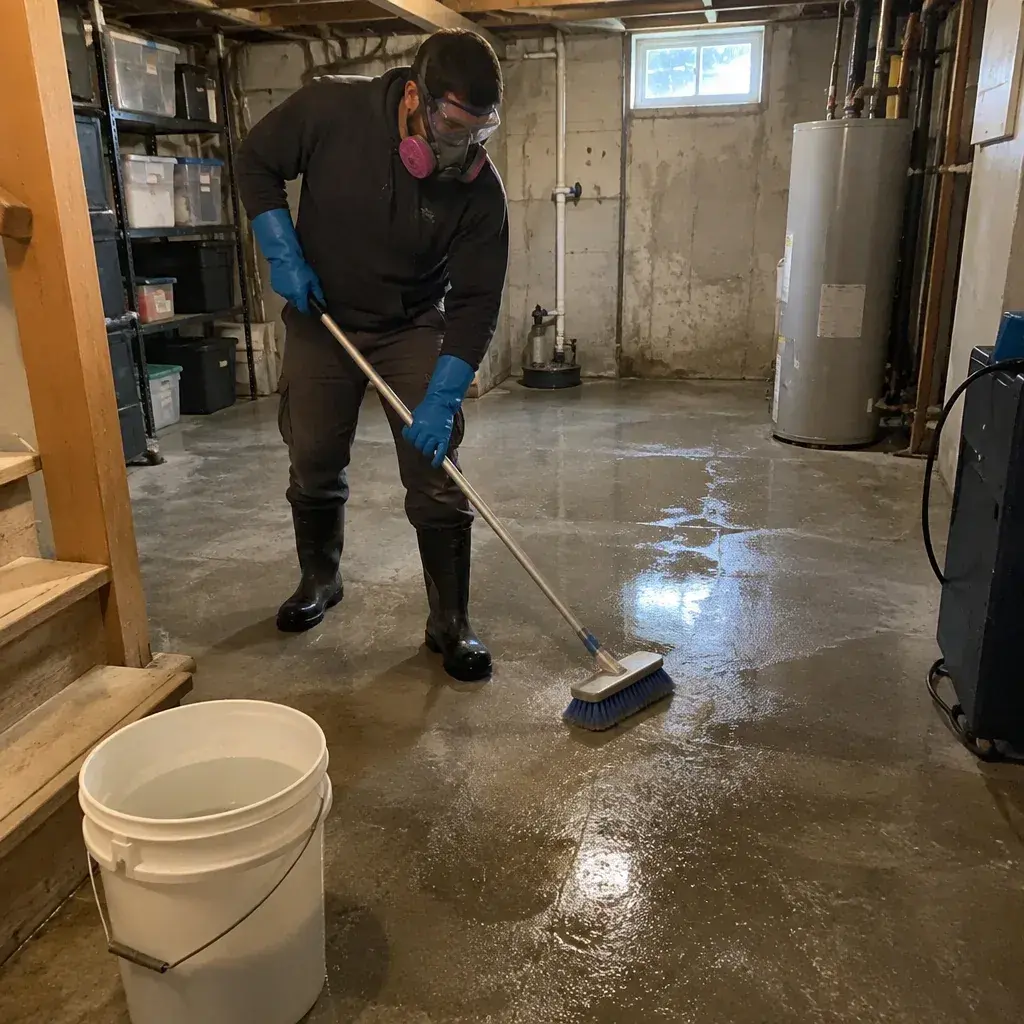
Start With Scope and Safety
Keep the affected space out of use while the cleanup timeline is set. In Minnesota, professional sewage cleanup has no single finish point: work moves from assessment and containment to extraction, surface treatment, and drying. A ranch near Jerry Ruppelius Athletic Complex, a split-level near North Hennepin Community College, and a home near Clearwater/Pleasant County Park can each present a different route through those steps. Ask the pros we connect you with which stages apply at your address and what findings could shift the schedule.
Stay out of sewage and do not handle wet materials. In Minnesota, cleanup moves from assessment and sewage extraction to removing absorbent items that cannot be cleaned. The pros we connect you with then clean and disinfect remaining surfaces according to product directions, followed by structural drying. Drying can continue after visible water is gone, so sewage cleanup time varies with contamination and lingering moisture; a fixed duration would be misleading. This page covers Minnesota communities around Bertram Chain of Lakes Regional Park, Swedish Immigrant Regional Trailhead, and Wykoff Commercial Historic District. Ask what moisture readings will show that drying is complete.
Containment, Extraction, and Removal
Next, containment and sewage removal clear the way for surface work. The first review helps identify where sewage traveled beyond the water that is plainly visible. The size and layout of the affected area can shape this stage: an open basement and a room behind a narrow stairway may take different effort to reach. Ask which areas are included in the extraction plan and what must happen before cleaning starts.
Handling an item can also depend on whether it can be moved without spreading residue. Sewage can penetrate absorbent items and finishes, and some may need to be taken out before the underlying surfaces can be cleaned. In Minnesota homes, that decision affects the order of work: removal can expose areas that were hidden and need attention too. Ask the provider which materials are slated for removal and whether newly exposed surfaces could add steps to the timeline.
Clean, Disinfect, and Treat Odor
After removal, clean affected surfaces and disinfect them using products suited to the material and contamination. The treatment needs its stated contact time, so this stage cannot be reduced to a quick wipe and move on. In a Minnesota cleanup, the pros we connect you with can explain which surfaces receive treatment and how they will follow product directions. Ask what needs to be cleaned before drying equipment is set, and whether the treatment plan changes across different materials.
Soft belongings can retain odor after nearby hard surfaces have been treated. It comes after the main contamination work because lingering odor can point to material or residue that still needs attention. Include it in the Minnesota cleanup timeline only if the provider finds it applies. Ask what is causing the remaining smell and which odor treatment step is planned; that keeps this task distinct from extraction, cleaning, and disinfection.
Drying Sets the Final Schedule
In Minnesota, treatment can take longer when sewage contamination means porous items must be removed before affected surfaces can be disinfected. Disinfectants also need the label’s stated contact period, and odor treatment may add a task after sewage and contaminated materials are gone. Residential coverage includes areas near Soudan Underground Mine State Park, but the address and cleanup findings determine the work. Ask the cleanup provider which steps apply and what conditions could change the timeline.
Before accepting a finish date, ask the provider to walk through the stages that apply and the conditions that could extend them. More affected rooms, absorbent materials that must be removed, hidden dampness, or extra drying can add work in a Minnesota home. Cleanup can finish before replacement materials or cosmetic repairs are addressed. Get the planned sequence and likely schedule changes in plain terms, then ask what new findings would prompt an update.
Dealing with a sewer backup in your home?
The plumbing cause and the cleanup work are separate parts of the response. Whether you live in a ranch near Clifton E. French Regional Park, a split-level near Beaver Creek Valley State Park, or a subdivision home near Sunrise Prairie Regional Trail, the cleanup question is what the sewage reached. Porous flooring or wall materials may need removal before other surfaces are cleaned, disinfected, and dried. From a safe place, take photos if you can. Assess without entering, then ask a qualified provider among the pros we connect you with about cleanup scope, availability, timing, and any visit charge. Have a plumber diagnose and repair the backup source.