Office Building Cleanup
Minnesota Office Guide
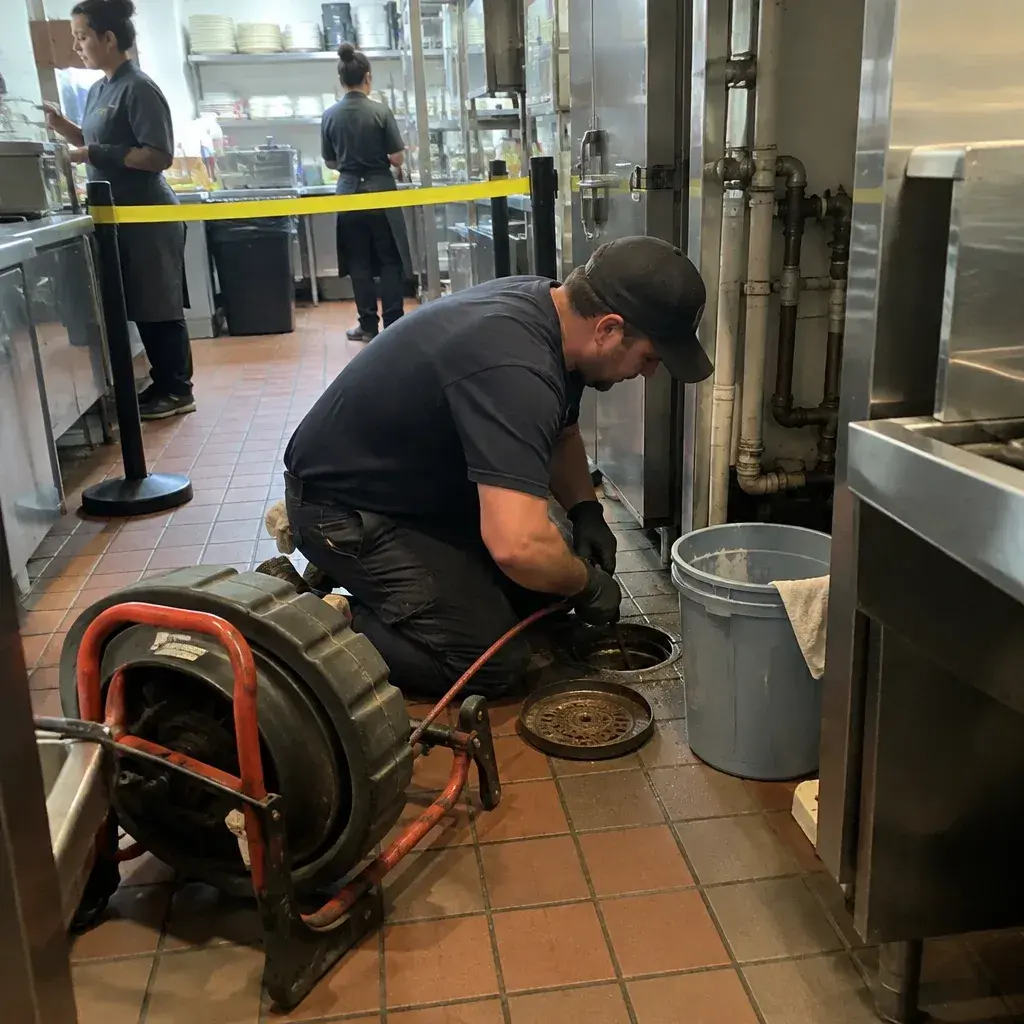
Plan restaurant sewage cleanup around kitchen boundaries, food decisions, and a consistent scope for every Minnesota address.
Restaurant sewer backup cleanup separates affected kitchen work from food service, traces where sewage traveled, and assesses supplies, equipment, surfaces, and building materials. The plan may include sewage removal, treatment, and drying; food and food contact decisions should follow applicable food safety guidance.
Keep staff and customers out of sewage-affected areas, and pause food handling wherever contamination may have reached. In Minnesota, restaurant sewage cleanup starts with understanding how each address is affected, then setting a safe boundary around the work. One group-wide plan can align decisions, while a separate scope for each restaurant records its kitchen layout, affected functions, and cleanup needs. The pros we connect you with can assess the damage and explain the work; consult the relevant food safety authority about food operations and items exposed.
A shared scope should make differences between Minnesota addresses easy to see. Record where the backup appeared at each restaurant, which rooms connect to that point, and whether staff, deliveries, or supplies pass through them. A location near Clifton E. French Regional Park and one near Beaver Creek Valley State Park may have different layouts and affected work areas; the place names alone say nothing about the buildings. Use a separate site plan for each address, then compare them to coordinate decisions across the group.
Food, utensils, packaging, and stored supplies need review by location before anyone returns them to use or discards them. Note which items were exposed, whether containers were open or damaged, and where they were stored. In Minnesota, ask the relevant food safety authority how to handle potentially contaminated food and food-contact items. The assessment should also track equipment and clean stock that may need to move, so a decision for one kitchen does not get applied to every address without review.
A commercial kitchen backup can interrupt several linked tasks even if sewage appears in one room. At each Minnesota restaurant, identify which workstations, sinks, storage areas, and staff paths are unavailable, then note what that prevents elsewhere in the operation. This helps managers compare the effect across addresses and decide which functions must pause or change. Keep the record focused on actual site conditions; a closed prep area at one location does not establish that the same area is affected at another.
Before equipment is shifted or restarted, document its location and visible condition at the affected Minnesota site. Include fixed appliances, movable tables, refrigeration, dishwashing equipment, and items used for food preparation. Note whether contamination reached the base, controls, cords, or nearby connections, without operating equipment to check it. A restaurant near Dakota County Technical College and another address elsewhere in the state still need their own assessments; a group inventory helps compare findings but cannot substitute for checking each machine in place.
| Kitchen area | Observed condition | Next action |
|---|---|---|
| Site identity | A service address anchors the cleanup record for each Minnesota restaurant. | Walnut Street Historic District and North Hennepin Community College do not verify sewer connections. |
| Contamination boundary | Mark where sewage reached floors, drains, storage, and connected kitchen spaces. | Keep the affected zone separate from food preparation and clean storage. |
| Food inventory | List exposed ingredients, packaged goods, and items stored near the backup. | Hold affected stock apart pending guidance from the relevant food safety authority. |
| Equipment and supplies | Note contact with prep equipment, shelving, carts, utensils, and stored supplies. | A cleanup professional can assess which items are suitable for cleaning. |
| Work sequence | Extraction and removal clear contaminated material before surface cleaning begins. | Compare dependencies between sites when shared staff or equipment are involved. |
| Hard surfaces | Floors, drains, counters, and other affected washable surfaces need cleaning and disinfection. | Use disinfectants as labeled, including stated contact time and safety directions. |
| Absorbent materials | Sewage can reach porous flooring, wall bases, cabinet edges, or other absorbent materials. | Assessment determines what needs removal and which remaining areas need drying. |
| Operations review | Record which prep, washing, storage, and service tasks each site can perform. | Dakota County Technical College is a location reference, not proof of restaurant plumbing. |
The cleanup assessment sorts affected building materials by whether they can be cleaned or may need removal. In a Minnesota kitchen, sewage on a washable surface calls for cleaning and disinfection, while contamination absorbed into porous material may remain beyond the visible area. The pros we connect you with can identify what is affected and explain the proposed treatment or removal. Once contaminated material and residue are addressed, the building parts that remain may need drying to reduce moisture held within them.
Containment sets the boundary between cleanup work and parts of the Minnesota restaurant that remain clean or in use. Its placement should account for doors, staff circulation, deliveries, and access to food or clean supplies. When those routes meet the affected area, operations may need another path or a pause while the boundary is established. Have the cleanup professional describe how workers and debris will move through the site, so managers can coordinate access without sending staff through contaminated space.
Use a consistent record across Minnesota locations, but keep findings tied to each address. Note when staff reported the backup, what areas were affected, when access or kitchen functions changed, and who made each decision. Add the contacts consulted about food safety and the cleanup assessment. This gives managers a usable sequence of events when conditions change and makes it easier to compare how locations handled similar decisions, without treating one restaurant's findings as evidence about another.
Food service cleanup involves choices about ingredients, utensils, equipment, and preparation areas that may have contacted sewage. In Minnesota, describe the exposure clearly when you contact the relevant food safety authority: identify the items or surfaces involved and where they were used or stored. Ask what can be retained, what must be discarded, and what conditions apply before a food area returns to service. Keep that guidance with the site record so managers at other addresses do not mistake it for a blanket ruling on their kitchens.
Coordinate restaurant operations around the areas that are closed for assessment or cleanup. Managers can review staffing, receiving, menu preparation, and tasks that remain possible without crossing the work boundary. Across Minnesota locations, record which duties move to another address, who approves the change, and how long the arrangement depends on site conditions. Do not assume another kitchen can absorb work until its capacity and food safety requirements have been considered. Share only the operational details needed to keep the group aligned.
For each Minnesota address, photograph affected rooms and materials when it is safe to do so, before removal or cleaning changes what is visible. Label images with the restaurant, room, item, and date, and connect them to an itemized list of damaged materials and cleanup actions. A consistent format makes records easier to review across the group while preserving the distinction between sites. Take a wide view of each affected room before photographing close details of individual materials.
After conditions have been assessed, review the location records together to see whether managers used the same decision process across Minnesota restaurants. Compare who was contacted, how food operations were restricted, and whether the cleanup boundary worked with staff movement at each site. Differences can show where the group needs clearer internal steps for a future disruption. Keep any operational lesson separate from the site-specific findings: the review should improve coordination, not imply that all addresses had the same damage or food safety direction.
A useful cleanup scope explains the work needed at each Minnesota restaurant and why that work fits the observed conditions. It should identify affected rooms, materials proposed for removal, surfaces requiring cleaning and disinfection, and areas that need drying. Ask the pros we connect you with to describe how the work fits around food operations and what access the site requires. Compare scopes across addresses for completeness, while keeping each location's findings and decisions attached to its own plan.
Once sewage and contaminated material have been removed, the remaining affected surfaces are cleaned and disinfected, with products used according to their label directions. In Minnesota, the work may also include odor treatment and drying materials that retained moisture. Ask the cleanup professional which areas are being treated and how they will determine that drying is complete. A shared group record can track these steps at each restaurant, but completion at one address does not establish that another site is ready to reopen.
For a Minnesota restaurant group, commercial sewage cleanup cost can vary by address because the work plan depends on the affected footprint, equipment layout, and how the site can be reached. A shared scope helps compare needs across locations: note which kitchens require separate work windows, where equipment must be moved, and whether building materials need drying after treatment. Nearby map references such as McColl Pond Environmental Learning Center, Dakota Rail Regional Trailhead, and Greater Sucker Creek Preserve can help distinguish site files. Ask for address-level findings before setting a group schedule.
A ZIP can show residential coverage without confirming a property's sewer connection; compare the Minnesota communities below with McColl Pond Environmental Learning Center, Crow River Environmental Park, and Mantorville Historic District, includingAfton, Akeley and Adams. Before arranging cleanup, ask whether an on-site assessment has its own charge, separate from the work that follows.
For a Minnesota business, an estimate may account for the rooms involved and whether later checks are needed after the first visit. $7,000–$14,000 provides a reference point. At public facilities such as Dakota County Technical College, contents handling and the surfaces requiring attention can change the work plan.In Minnesota, commercial cost follows the footprint and contents: separate rooms, floor and wall finishes, and fixed equipment can add distinct handling and cleaning tasks. For an address near Columbia Heights Public Library or Dakota County Technical College, describe which spaces were reached, what materials or equipment were affected, and any access limits when calling the pros we connect you with.Compare pricing guide to understand estimate drivers; commercial overview outlines how commercial Sewer Backup Cleanup is staged across a site.
Minnesota Office Guide
Retail sewage cleanup
Hotel Sewage Cleanup
The work starts with a site review and a clear boundary between the affected kitchen and any food operation that remains active. The cleanup team removes sewage, checks surfaces and building materials, and determines what treatment or drying is needed. The review can also check for moisture in materials beyond the surfaces where sewage is visible.
Set aside any food, packaging, utensils, and equipment that may have been exposed. Do not return them to use based on appearance. Keep a written list of items held aside so each can be considered during the food safety review.
Use a separate record for each Minnesota address, with the site name and street address visible on every entry. Note the affected rooms, operational limits, cleanup decisions, and work completed. Keep dated photographs and receipts with the matching location file so managers can compare progress without mixing records between restaurants.
Give the cleanup professional a site-specific outline of kitchen duties, delivery paths, and staff access that may be disrupted. Agree on work hours and entry arrangements for each restaurant, then update managers if the work boundary or schedule changes. Resume affected tasks only after the site review supports reopening them.
Keep access controlled, get food safety guidance for affected items, and review a separate cleanup scope for each Minnesota restaurant address.
Call (612) 493-4857